

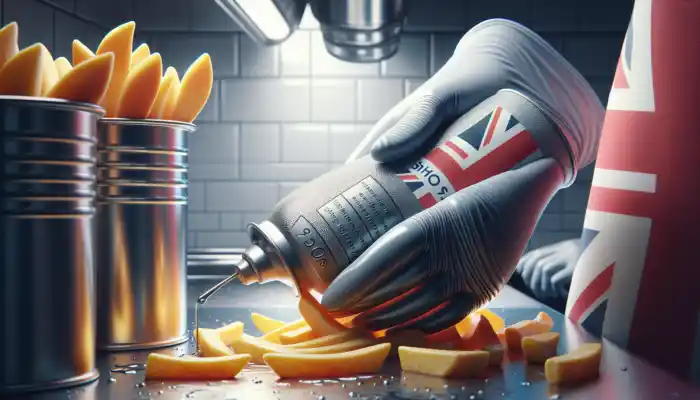
 Establishments across the UK value vinyl gloves for their specific material properties that suit greasy food preparation.
Manufacturers craft these gloves from polyvinyl chloride, a synthetic polymer that provides a barrier that effectively resists oils and fats.
This feature proves essential when kitchen staff prepare staple British dishes like fish and chips, where handling greasy batter requires constant protection against liquids.
Restaurants in London frequently purchase these gloves because the low cost allows staff to switch pairs often during busy shifts without incurring significant expense.
This high turnover rate helps chefs maintain strict hygiene protocols and prevent cross-contamination without creating excessive financial burdens for the business.
Management teams in the food industry also select vinyl gloves to address health concerns regarding latex allergies among their workforce.
Bakeries in Birmingham often stock these latex-free alternatives to ensure all employees can handle dough and pastries safely without suffering adverse skin reactions.
This inclusive approach creates a safer working environment and complies with rigorous standards set by the Health and Safety Executive.
The Food Standards Agency actively encourages businesses to use compliant protective wear to prevent contamination risks during food handling.
Regular safety audits confirm that teams use these gloves correctly to protect public health and maintain consumer trust.
The environmental impact of disposable protective wear remains a pressing topic for UK businesses as they navigate sustainability goals.
Organisations like WRAP urge companies to develop recycling solutions to reduce the substantial plastic waste generated by single-use gloves.
Many kitchens now explore compostable alternatives to lower their carbon footprint while still prioritising food safety.
Despite these environmental concerns, the immediate need for hygiene often drives the continued use of vinyl. Staff in Scottish cafés must remain vigilant against tears, as vinyl is less durable than nitrile when handling sharp objects or performing rigorous tasks.
Vinyl gloves also play a pivotal role in maintaining sanitation standards within both commercial and residential cleaning routines throughout Great Britain.
Professional cleaners rely on them to shield their skin from potent sanitising agents approved by British health authorities.
Homeowners increasingly adopt these gloves to prevent the spread of germs when scrubbing bathrooms or disinfecting kitchen surfaces.
Experts advise users to store their supply in cool, dry places to preserve the material's integrity, as heat and moisture can degrade PVC over time.
Proper storage ensures the gloves remain effective barriers against pathogens and harsh chemicals during every cleaning session.