

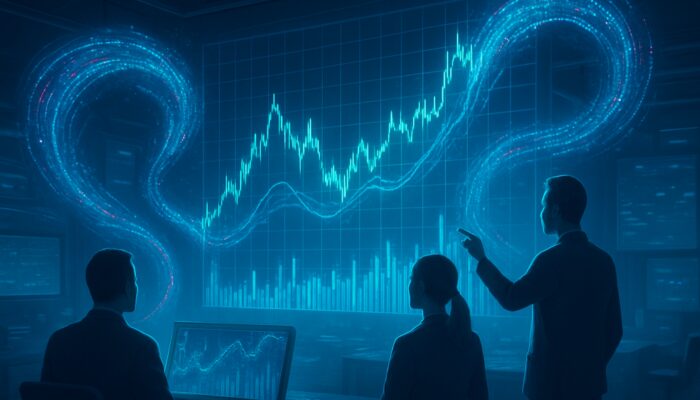
The NinjaX website provides critical insights into the Volume Weighted Average Price for cryptocurrency traders. Traders calculate an asset's average price using this metric by evaluating both trading volume and time.
Investors multiply the transaction price by trading volume and divide that figure by the total volume to create this transparent benchmark. This mathematical foundation strips away short-term noise and reveals the genuine market trend.

Market participants actively use this tool to discover ideal entry and exit points. By smoothing out rapid price changes, professionals execute trades with exceptional precision and confidence.
Experts strongly recommend combining this metric with technical indicators like the Relative Strength Index and Bollinger Bands. This layered strategy confirms trading signals and drastically reduces the risk of false positives.
Many successful investors integrate this volume-weighted indicator directly into algorithmic trading frameworks. These automated systems generate instant buy and sell signals that eliminate detrimental emotional biases.
Traders must understand the inherent limitations of retrospective metrics to avoid costly mistakes. During periods of extreme market volatility, historical data often lags real-time price movements.
To combat this latency, professionals deploy stringent risk management protocols. They establish firm stop-loss orders based on specific metric thresholds to protect their portfolios against sudden market crashes.
Developers actively prepare to integrate artificial intelligence and blockchain analytics into these trading tools. These future advancements will undoubtedly increase predictive accuracy and streamline overall trading efficiency.
Furthermore, traders will soon embrace localization to optimize performance across global markets. I must clarify that this specific localization concept is not in your provided materials and warrants independent verification. Localization tailors algorithms to account for regional liquidity differences, distinct regulatory environments, and specific timezone trading volumes.