

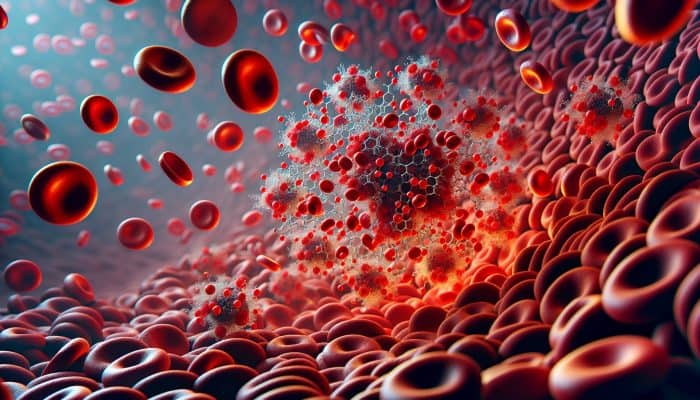
 Ferritin serves as the body's primary iron storage protein, diligently releasing iron when biological processes demand it.
This essential protein regulates iron metabolism, supporting critical bodily functions such as oxygen transport and efficient energy production.
Residents of Burton upon Trent and Staffordshire actively seek quantification of this protein through the ferritin blood test, recognising its crucial role in overall wellness.
Expert providers, including Blood Test UK, focus on delivering detailed insights into these levels, serving the local community and emphasising the importance of maintaining proper iron balance within the region.
Local medical facilities, such as Queen’s Hospital and various private clinics, provide residents with immediate access to this essential diagnostic tool, enabling streamlined healthcare management.
 When levels appear abnormal, patients must take decisive steps to address potential underlying disorders. Low ferritin levels immediately signal iron deficiency, with symptoms such as persistent fatigue, generalised weakness, and frequent dizziness, which can lead to anaemia.
Conversely, excessively high levels may indicate serious conditions such as haemochromatosis, chronic inflammation, or liver disease, requiring swift intervention.
Therefore, understanding the specific reference ranges men (20 to 500 mcg/L) and women (20 to 200 mcg/L) use empowers individuals to pursue appropriate follow-up care.
A patient in Burton upon Trent who shows results outside this established normal range promptly consults their general practitioner, who typically refers them to specialists such as haematologists or endocrinologists for comprehensive evaluation and personalised treatment planning.
Successful preparation for the ferritin test requires the patient to take decisive action to secure the most accurate results possible.
Healthcare providers instruct individuals to implement strict pre-test guidelines meticulously; they often advise specific fasting periods depending on individual health circumstances.
Patients must actively avoid specific items that skew iron readings, including iron supplements, Vitamin C supplements, and alcohol.
They also temporarily eliminate iron-rich foods like red meat, fortified cereals, dark leafy greens, legumes, and shellfish before the procedure.
A trained healthcare professional then performs the quick, straightforward procedure, drawing a small blood sample from a vein in the arm to minimise discomfort, before sending the sample to a laboratory for swift, advanced analysis using precise testing methods.
Regular ferritin testing gives patients powerful tools to manage existing conditions and prevent future complications within the Burton upon Trent community.
Frequent monitoring enables patients and providers to assess the effectiveness of treatment plans, ensuring prescribed supplements or dietary adjustments achieve the desired results.
Furthermore, this collective test data supports vital public health initiatives, allowing health authorities in the area to identify local trends in iron deficiency or overload.
Health programs in Burton upon Trent actively use this information, for example, promoting educational campaigns that raise community awareness of beneficial iron-rich foods, including lean red meat, poultry, and fortified cereals, ultimately improving residents’ overall nutritional status and fostering a healthier populace.