

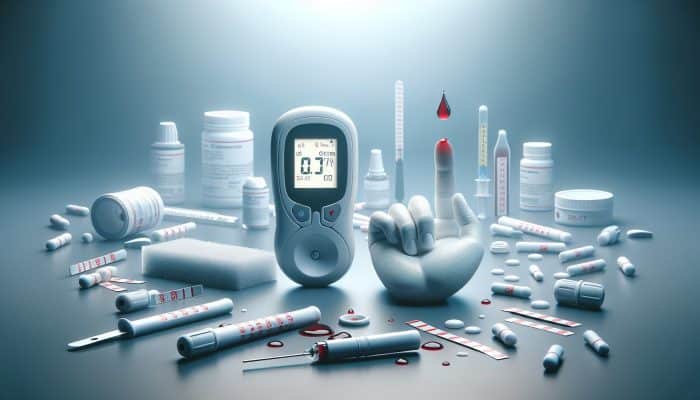
 A blood glucose test directly measures glucose concentration in the bloodstream, serving as a crucial tool for diagnosing and effectively managing both type 1 and type 2 diabetes.
This vital testing provides essential insights, helping healthcare professionals formulate appropriate treatment strategies for their patients.
Accurate and timely results empower individuals; they confidently adjust their lifestyle choices and modify medications, maintaining optimal health and well-being.
Regular testing plays an instrumental role in monitoring how well a person controls their blood glucose levels, serving as a fundamental component in preventing severe complications, including cardiovascular diseases, nerve damage, and vision problems, that uncontrolled diabetes can cause.
Numerous specific blood tests target the diagnosis and careful management of diabetes, each fulfilling a distinct purpose.
 The Fasting Blood Sugar Test assesses blood glucose levels after an overnight fast, revealing how effectively the body manages blood sugar.
For a broader perspective, the A1C Test delivers a comprehensive view of average blood sugar levels over the previous two to three months, making it a pivotal tool in long-term control evaluation.
Alternatively, the Oral Glucose Tolerance Test measures blood sugar levels before and after the patient consumes a sugary drink, assessing the body’s specific response to the sugar.
Furthermore, the Random Blood Sugar Test provides immediate insights into glucose status, measuring blood sugar at any time regardless of the last meal consumed.
Local healthcare providers in Colwyn Bay and Conwy offer comprehensive services, playing a vital role in the continuum of diabetes care.
These professionals guide patients through the testing process, ensuring individuals fully understand the significance of each test and what the outcomes mean for their health.
Colwyn Bay clinics and hospitals actively provide tailored management plans and specialised consultations, ensuring residents receive high-quality, evidence-based treatment.
Experts also facilitate collaborative care by connecting patients with nutritionists and other specialists as needed.
Moreover, local community health programmes enhance management strategies by educating residents about diabetes care, promoting healthy lifestyles, and facilitating essential, regular screenings.
Effective preparation for a diabetes blood test yields accurate results; individuals must follow specific preparatory steps depending on the required test type.
For instance, individuals generally fast for at least eight hours before a fasting blood sugar test, whereas the A1C test requires no fasting.
Patients must consult their healthcare provider about any medications they need to avoid before the procedure, as some drugs interfere with blood glucose levels.
Following the test, patients actively participate in interpreting results, discussing the figures with healthcare professionals to clarify what the numbers signify in the context of their management plan.
This collaborative approach ensures they promptly make necessary adjustments to treatment, such as modifying diet or adjusting medication dosages.