

Alright, let’s talk about this properly because this isn’t just “Prince Harry booked for a speech.” This is a signal. A big one.
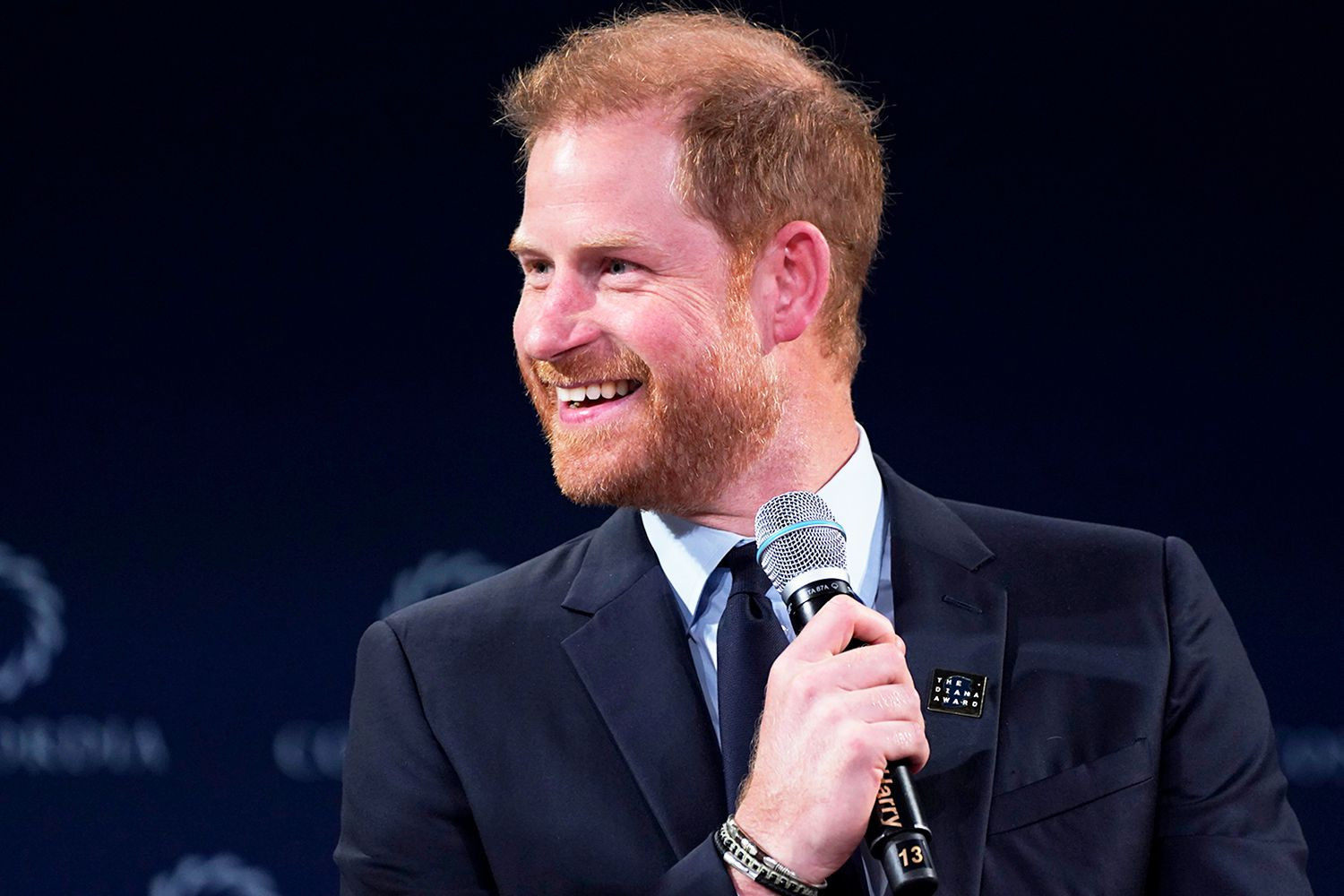
Prince Harry being invited to keynote at the IAPP tells you everything you need to know about where his influence actually sits in 2026. This isn’t a royal ribbon-cutting. This isn’t ceremonial fluff. The IAPP is where the people shaping digital ethics, data protection, AI governance, and online safety actually gather. These are the people writing the rules the rest of the world ends up living under.
And Harry is being brought in to talk about whether the digital world is breaking society… or helping to heal it.
That alone should shut down the tired narrative that he’s “irrelevant.”
Because let’s be real for a second irrelevant people do not keynote rooms full of policy leaders, tech executives, privacy lawyers, and global decision-makers.
They don’t.
What’s happening here is something much more interesting.
Harry has quietly positioned himself at the intersection of mental health, digital harm, leadership, and cultural consequence — which is exactly where the world is stuck right now. Social media burnout. Online radicalisation. AI ethics. Youth mental health collapsing under algorithmic pressure. Information disorder. Data exploitation. Loneliness as a public health crisis.
That’s not celebrity fluff. That’s frontline modern crisis work.
And he’s been building toward this for years.
People forget that Harry isn’t just “talking about mental health” in a vague, inspirational way. Since 2021, he’s been Chief Impact Officer at BetterUp the largest mental health and coaching platform in the world. That role isn’t symbolic. It’s operational. It sits right at the crossroads of psychology, workforce wellbeing, leadership performance, and digital behaviour.
Then you add in the Aspen Institute’s Commission on Information Disorder which is where serious minds were brought together to address misinformation, online radicalisation, and how truth gets distorted at scale. Again: not fluff. Not optics. Actual policy-level conversation.
And then there’s Spare.
Love it or hate it, Spare changed the publishing landscape. Fastest-selling nonfiction book in history. A global conversation about trauma, grief, institutional power, and emotional honesty. That book alone repositioned him not as a prince telling stories, but as a man willing to publicly interrogate pain, family systems, and survival.
That matters in a world finally waking up to mental health as a structural issue, not a personal weakness.
Now add Archewell into the mix.
Archewell’s mission is deceptively simple: show up, do good. But when you look at the work, it’s clear they’re focused on digital safety, youth wellbeing, community resilience, and media responsibility. That’s not trendy charity work — it’s future-facing.
And the throughline in all of this?
Mental health. Information integrity. Ethical leadership. Community.
That’s why the IAPP makes sense.
Because right now, the biggest crisis humanity faces isn’t technological it’s psychological.
We’ve built tools faster than we’ve built emotional literacy. We’ve scaled communication without scaling care. We’ve optimised for engagement, not wellbeing. And the fallout is everywhere: anxiety, isolation, radicalisation, burnout.
Harry’s role in this space is interesting because he bridges worlds most people can’t.
He understands institutional power.
He understands trauma.
He understands media distortion.
He understands public scrutiny at scale.
And he understands what happens when systems fail people quietly, over time.
That’s why his voice carries weight in rooms that aren’t about celebrity.
And here’s the part people don’t want to admit:
This is influence without hierarchy.
William has positional power.
Harry has relational power.
One comes from title.
The other comes from relevance.
And in 2026, relevance is everything.
Harry doesn’t need permission to speak on mental health, digital harm, or social responsibility because he’s lived the consequences of those systems publicly. He’s experienced what happens when institutions protect themselves instead of people. When narratives become weapons. When silence becomes policy.
That lived experience is exactly why global organisations keep calling him back.
Add in Invictus a project that has lasted over a decade, spanning 25 nations, centreing wounded veterans, disability, dignity, and resilience and you start to see the pattern.
This isn’t accidental.
This is sustained impact.
And while critics obsess over optics, Harry is doing the unflashy work of showing up in rooms where frameworks are shaped, language is set, and future standards are debated.
That’s power.
Quiet power.
Long-game power.
Cultural power.
So when people say, “What does Harry even do now?”
This. This is what he does.
He works at the intersection of humanity and systems.
He speaks where tech meets ethics.
He pushes conversations forward that most institutions are still afraid to have.
And the fact that he’s doing it alongside Meghan who is simultaneously building media, business, storytelling, and cultural influence makes them one of the most interesting power duos of this era.
Not because of titles.
But because of trajectory.
Harry isn’t trying to return to the past.
He’s building relevance in the future.
And judging by this booking?
The world is listening.