

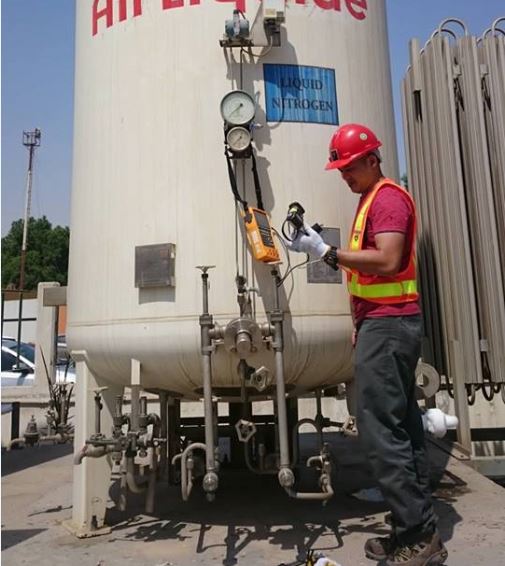
One of the most common questions I hear during assessments is: Are you qualified to perform the calibration? In ISO 17025-accredited labs, personnel competence is not just important — it's essential. Having training records and qualifications on file is necessary, but it’s only part of the full picture. ISO 17025 requires a complete process: evaluation, monitoring, and continuous proof of personnel competency.
In this post, I’ll walk you through a practical six-step procedure based on my own experience with implementing the ISO 17025:2017 competence requirements. This isn't a perfect system, but it should help guide anyone starting or improving their competency programs.
Understanding Competency in ISO 17025
Competency simply means the demonstrated ability to apply knowledge and skills to achieve intended results. According to ISO 19011 and ISO 17021, it’s not enough to know something—you must show you can use that knowledge effectively in practice. Competency involves qualifications like education, skills, experience, and behavior, and it's essential for laboratory activities that affect the quality of results.
Personnel Competence Requirements
ISO 17025:2017, under clause 6.2, sets three main requirements for lab personnel:
Impartiality
Confidentiality
Every lab must document competence requirements for each role and monitor personnel performance to ensure ongoing compliance. However, ISO 17025 intentionally leaves room for flexibility, recognizing that each lab’s scope is unique.
Examples of Competency-Required Activities
Competence must be demonstrated in critical tasks such as:
Operating specific equipment or reference standards
Performing tests and calibrations
Recording, reviewing, and signing reports
Interpreting calibration or test results
Developing or modifying calibration procedures
Performing internal audits
What Auditors Look For
During an audit, expect auditors to sample calibration certificates, review procedures, identify who performed the work, and check for corresponding training records and authorization documents. Always provide only what is requested and ensure your documentation is organized and readily available.
The 6 Steps to Determine Personnel Competence
Identification of Competency
Define what knowledge, skills, and experience are needed for each role through clear job descriptions.Selection of Personnel
Hire candidates who meet the defined qualifications based on resumes, interviews, and certifications.Training Program
Conduct initial and ongoing training to close any competency gaps.Technical Competency Evaluation
Assess personnel by checking qualifications, monitoring performance, and classifying competency levels (from trainee to expert).Authorization
Formally authorize personnel to perform specific activities once competence is proven.Monitoring Competency
Continuously evaluate and update training, performance, and competency status.
Records of Competency
Finally, don’t forget to maintain thorough records: training certificates, diplomas, resumes, performance evaluations, and authorization documents. These serve as evidence of compliance during audits.
Implementing these six steps will help ensure that your laboratory meets ISO 17025’s personnel competence requirements—and that you’re always ready to answer confidently when asked, Are you qualified to perform the calibration?
If you’re setting up or refining your lab’s competency program, why start from scratch?
👉 Grab my ready-made ISO 17025 Competency Procedure Template!
It’s detailed, customizable, and audit-ready — perfect for fast, professional implementation.
[Buy Now]
Support my work and build your lab's success at the same time — every coffee you buy keeps practical content like this coming! ☕✨
You can read more about this topic on this link >> https://calibrationawareness.com/how-to-determine-iso-17025-personnel-competence-requirements-a-6-steps-implementation-guide