

When you think of an ISO 17025 calibration certificate, what’s the first thing that comes to mind?
If your answer is “for audit purposes,” you’re not wrong — but that’s only scratching the surface.
A calibration certificate is much more than a paper you file away to look organized during inspections. It’s an assurance of traceability, a clear view of uncertainty, and a vital tool to confirm that your instruments are performing exactly the way you expect. In other words, it’s the key to managing quality, risk, and compliance.
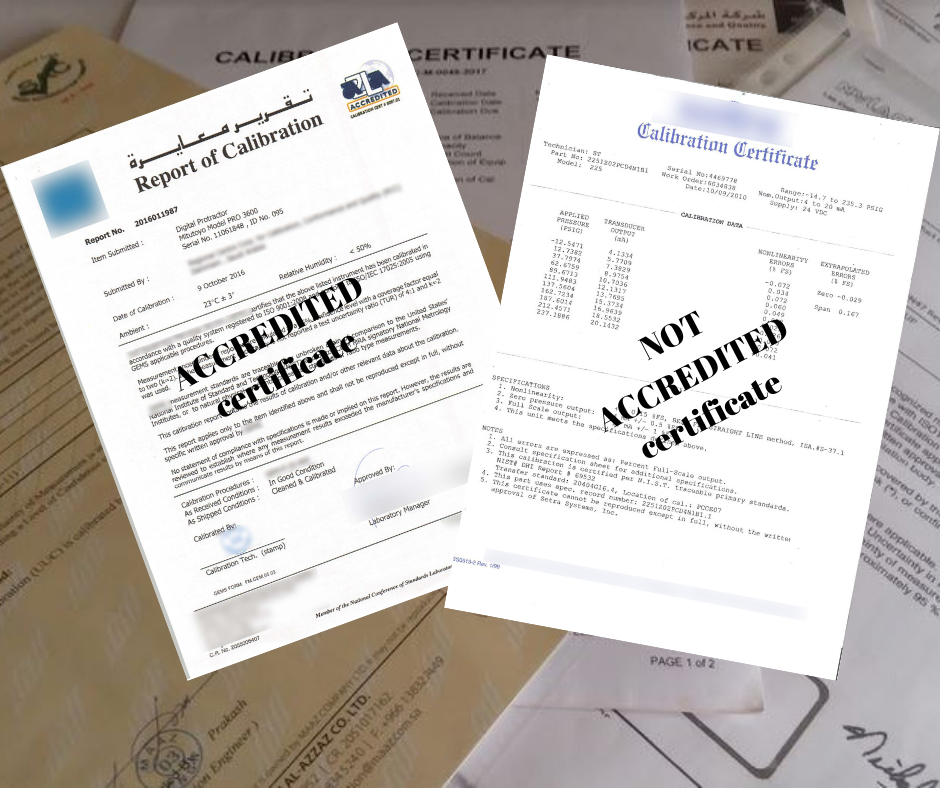
First things first: ISO 17025 accreditation ensures that the calibration lab meets strict technical and management standards. When you receive a certificate from an accredited lab, you're getting more than numbers. You're receiving a document that tells you how reliable those numbers are, and where they come from.
Here’s what you expect from an accredited calibration certificate:
Identification of the equipment calibrated (model, serial number)
Calibration results with units of measurement
The calibration procedure or method used
The measurement uncertainty associated with the results
Evidence of traceability to international or national standards
Environmental conditions during calibration (when relevant)
Signature of the person authorizing the certificate
The accreditation body’s logo and certificate number
Each of these elements isn’t just “nice to have” — they are required under ISO 17025.
So how do you properly use the Calibration Certificate?
The simplest thing to do, start by reviewing it immediately once you receive it. Make sure your equipment's details are correct like the serial number, make/model, etc, check if the results are within your acceptable tolerances. One mistake I usually see is that most owners fail to check if the results are Out-of Tolerance. Another is Measurement Uncertainty, it can hugely impact how you interpret your measurements, especially for critical processes where accuracy and precision are everything.
If something looks off, don't be shy about asking the calibration lab for clarification. You’re not just protecting your equipment — you're protecting your product, your service, and your reputation.
Another important tip: don't ignore the remarks or comments section. Sometimes, labs will note adjustments made during calibration or limitations they encountered. These little notes can help you plan better preventive maintenance schedules and calibration intervals or even decide if it's time to replace the equipment altogether.
Final thoughts:
Calibration is not a “one-and-done” event. It’s a continuous cycle of verification, correction, and documentation. Your calibration certificate is your proof that the cycle is alive and well. Read it carefully. Understand it fully. Use it wisely.
When you take calibration certificates seriously, you don’t just pass audits — you create real confidence in every measurement you make.
Stay calibrated, stay confident.
—
Want to dive deeper? You can read the full detailed guide here at Calibration Awareness: https://calibrationawareness.com/how-to-properly-use-and-interpret-an-iso-17025-calibration-certificate
🎯 Ready to take your understanding to the next level?
If you’ve ever felt overwhelmed by the fine print on a calibration certificate, you're not alone.
"Demystifying ISO 17025 Calibration Certificates" breaks it all down — simply, clearly, and practically.
✅ Learn what really matters
✅ Spot mistakes before they cost you
✅ Build true confidence in your measurements
Don’t just accept certificates — understand them.
👉 Grab your copy here: [Demystifying ISO 17025 Calibration Certificates]
(And if you found my guides helpful, buying this E-Book supports more content like this! 🙌Thank you! ☕💬 )
#CalibrationMatters
#ISO17025
#QualityControl
#CalibrationAwareness
#MeasurementMatters
#StayCalibrated
#LabLife
#PrecisionEngineering
#QualityAssurance
#Metrology