
btw: English below:
Read.cv’yi hatırlıyor musun?
Onu ilk gördüğümde aklımdan geçen şuydu: LinkedIn’den bin kat daha iyi. Haksız bir kıyaslamaydı belki, ama yerine ne koyarsanız koyun sonuç değişmiyordu. Resume.io’dan, Canva’nın CV mezarlığından ve internetteki şablon fabrikalarından daha iyiydi.
Ben de o ucube PDF’imi Read.cv’ye taşıdım. “Abi, CV’me bir el atsana” diyen herkese aynı cevabı verdim: Hiç uğraşma, Read.cv kullan.
Sonra AI geldi. Preacher’daki Saint of Killers gibi, asla ıskalamayan AI. Fakat bu kez kurşun dolambaçlıydı. Read.cv, Ocak 2025’te Perplexity tarafından satın alındı; ekip Perplexity’ye katıldı ve platform kapandı.
Böylece Read.cv internet tarihine karıştı.
Read.cv’nin çözdüğü problem basitti: CV denen dijital kartviziti standart, sakin ve okunabilir bir formata dönüştürmek. Kapanınca kimimiz açık kaynak klonlara, kimimiz şablon cehennemine, kimimiz de eski dostumuz PDF’e döndü.
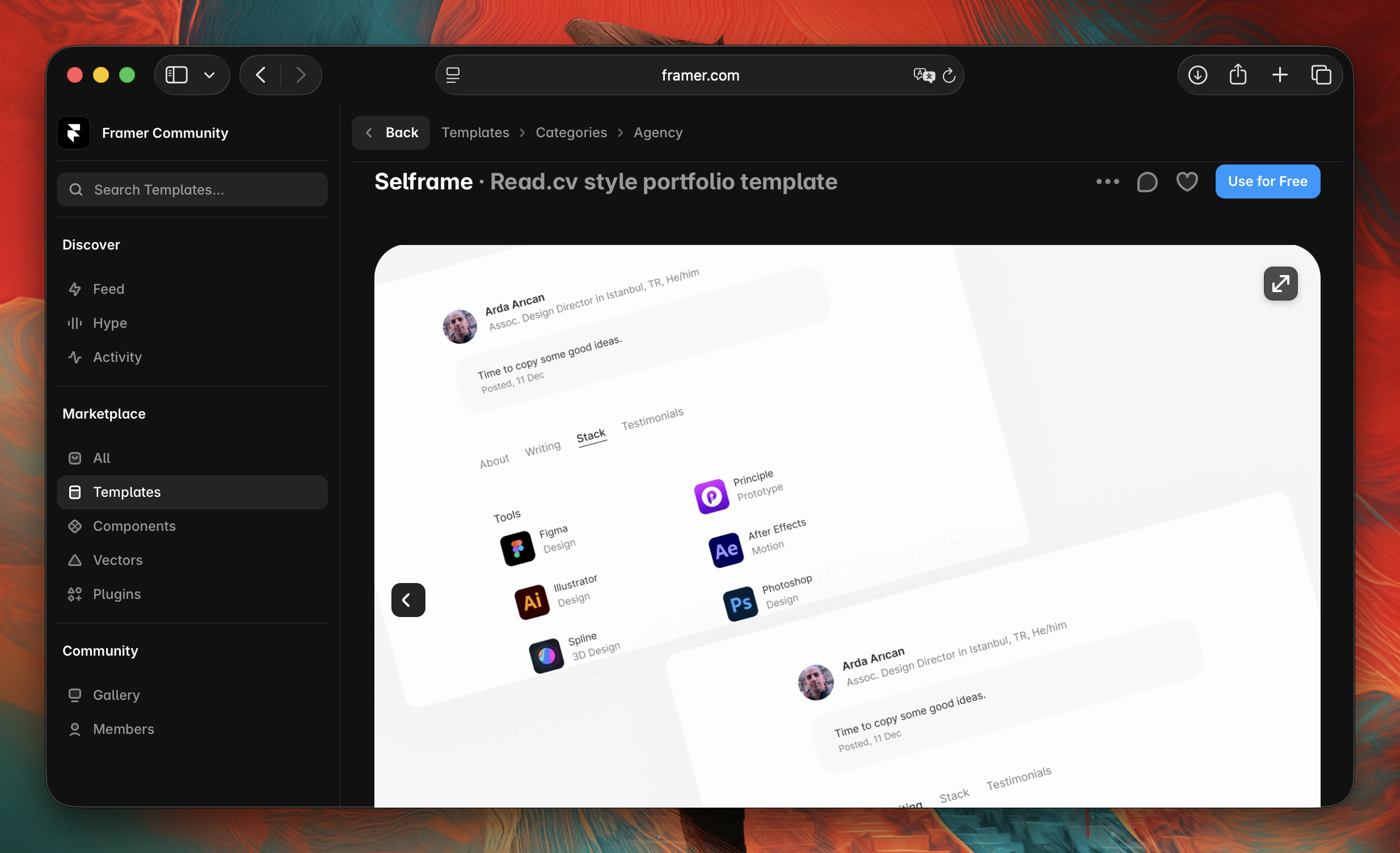
Ben önce Read.cv’yi Framer’da yeniden kurmaya niyetlendim. Arda Arıcan benden hızlı davranıp Selframe’i yayınladı.
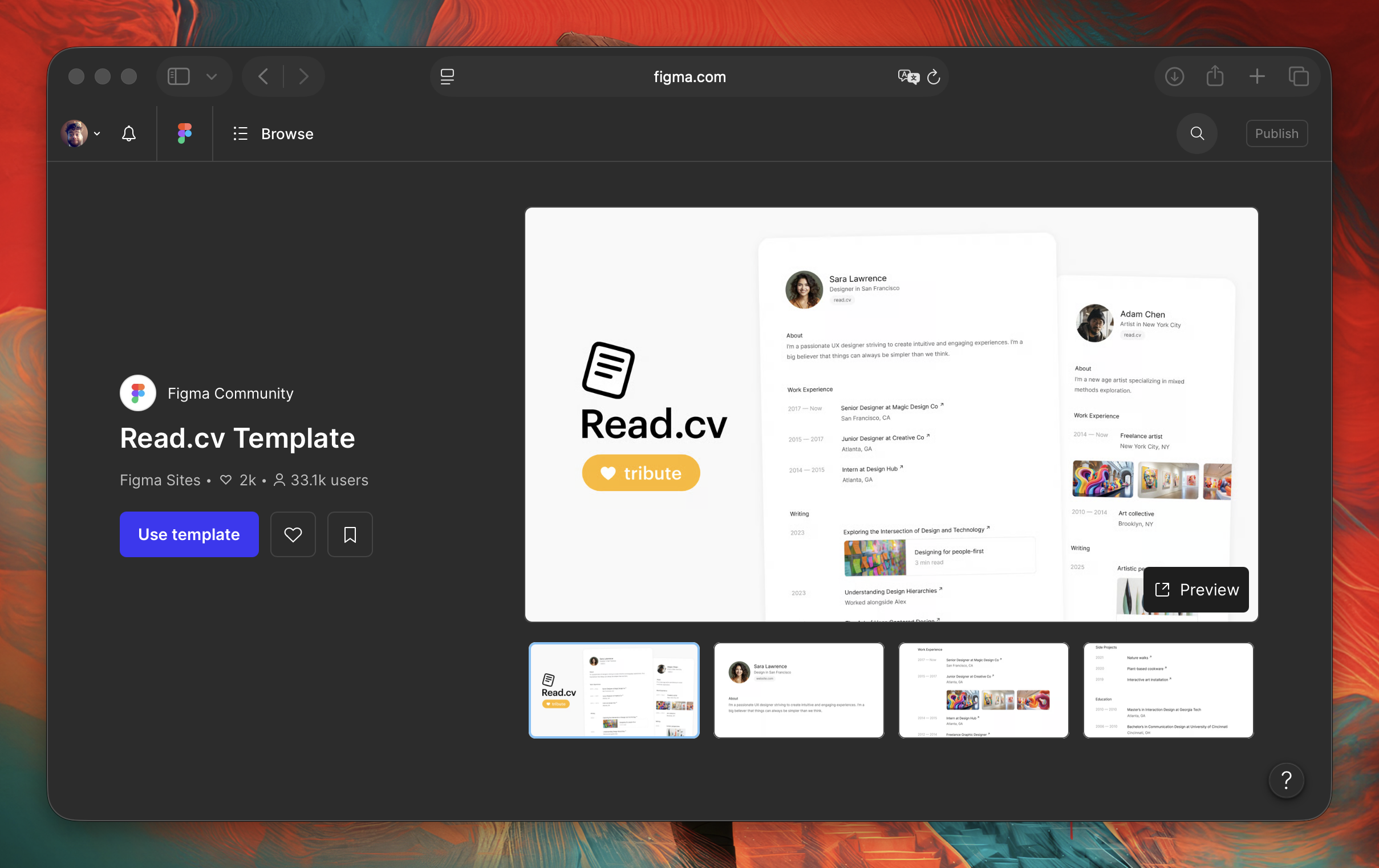
 Ardından Figma Sites’a yöneldim. Bu kez de Figma, Config 2025’te resmi Read.cv temasını duyurdu.
İki zarif hezimetin ardından defteri kapattım.
Ta ki bugüne kadar.
Meet the paper.cv
paper.cv, Read.cv’nin kopyası değil. Onun yarım kalan fikrine yazılmış küçük, bağımsız ve hafif ukala bir devam mektubu.
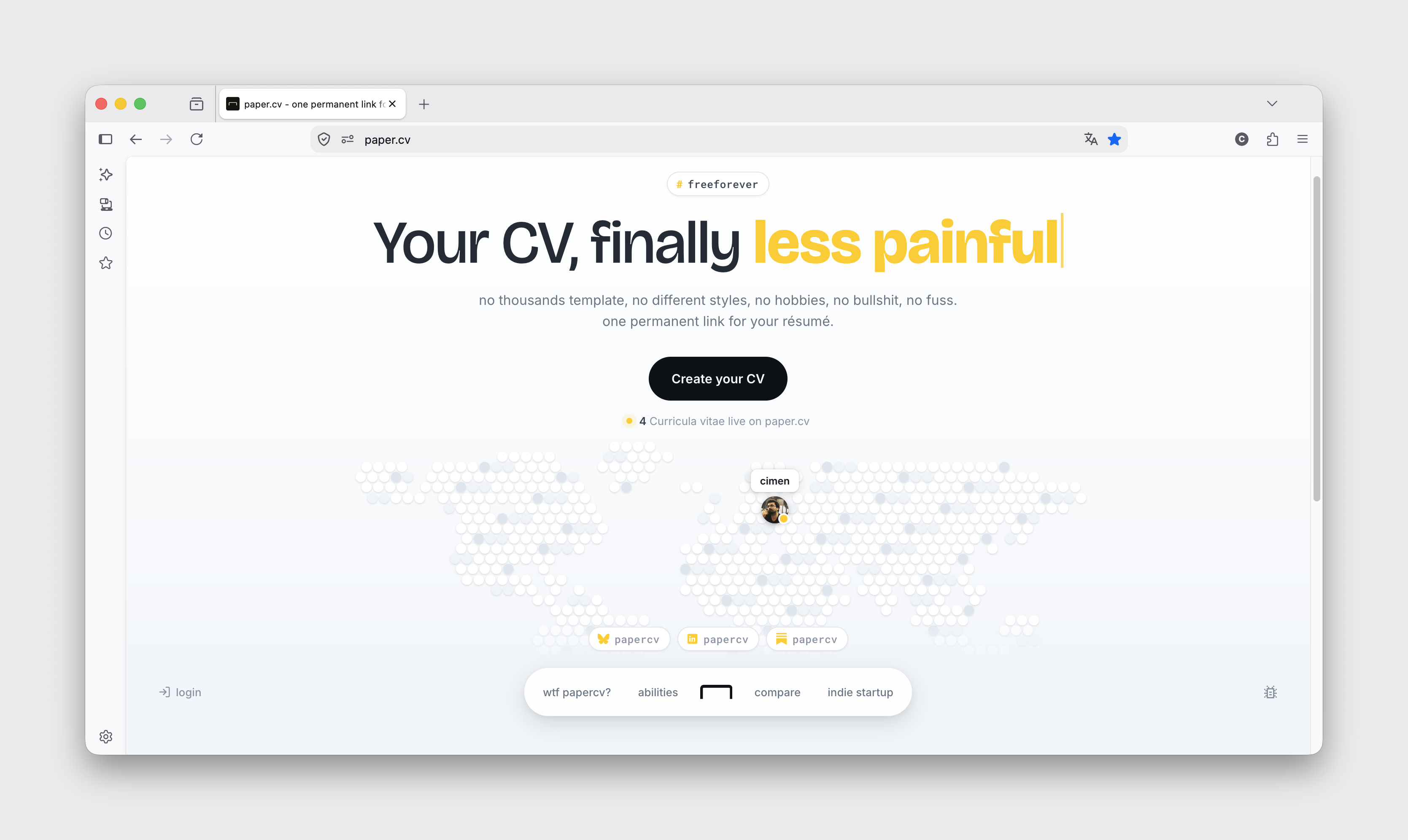
CV’nizi bir dosya olmaktan çıkarıp yaşayan bir web sayfasına dönüştürür. Tek format, tek tema, tek adres. Binlerce şablon yok. Font seçme krizi yok. “Bu başlık iki piksel sola mı gitse?” diye harcanan pazar günleri yok.
CV’nizi oluşturur, paper.cv/username adresinde yayınlar, güncel tutar, paylaşır veya temiz bir PDF olarak indirirsiniz.
Hepsi bu.
Çünkü iyi bir CV’nin tasarım yarışması kazanmasına gerek yok. Okunması, paylaşılması ve sizi düzgünce anlatması yeterli.
Read.cv gittikten sonra bir boşluk kaldı. paper.cv o boşluğu nostaljiyle doldurmak değil, yeniden kullanışlı hale getirmek istiyor.
Paper is dead.
Long live paper.
https://paper.cv/cagdas
Do you remember Read.cv?
The first time I saw it, I thought: a thousand times better than LinkedIn. An unfair comparison, perhaps, but the result stayed the same beside anything else. Better than Resume.io, Canva’s CV graveyard, and the internet’s template factories.
So I moved my ugly little PDF to Read.cv. Whenever someone said, “Could you take a look at my CV?” I gave them the same answer: don’t bother. Just use Read.cv.
Then AI arrived. Like the Saint of Killers in Preacher: unstoppable, unkillable, and incapable of missing. This time, however, the bullet took the scenic route. Perplexity acquired Read.cv in January 2025, the team joined Perplexity, and the platform shut down.
Just like that, Read.cv became internet history.
It had solved a wonderfully specific problem: turning the digital business card we call a CV into something standard, quiet, and readable. After it disappeared, some moved to open-source clones, some returned to template hell, and others crawled back to our old friend, the PDF.
I first tried rebuilding it in Framer. Arda Arıcan beat me to it with Selframe. Then I moved to Figma Sites. Figma answered by announcing an official Read.cv-inspired theme at Config 2025.
After two elegant defeats, I closed the book.
Until now.
Meet paper.cv
paper.cv is not a Read.cv clone. It is an independent, smug continuation of an unfinished idea.
It turns your CV from a file into a living web page. One format. One theme. One address. No endless templates. No font crisis. No Sundays lost wondering whether a heading should move two pixels left.
Create your CV, publish it at paper.cv/username, keep it updated, share it, or download a clean PDF.
That is it.
A good CV does not need to win a design award. It only needs to be readable, shareable, and honest about who you are.
Read.cv left a gap. paper.cv is not filling it with nostalgia. It is making the idea useful again.
Paper is dead.
Long live paper.