
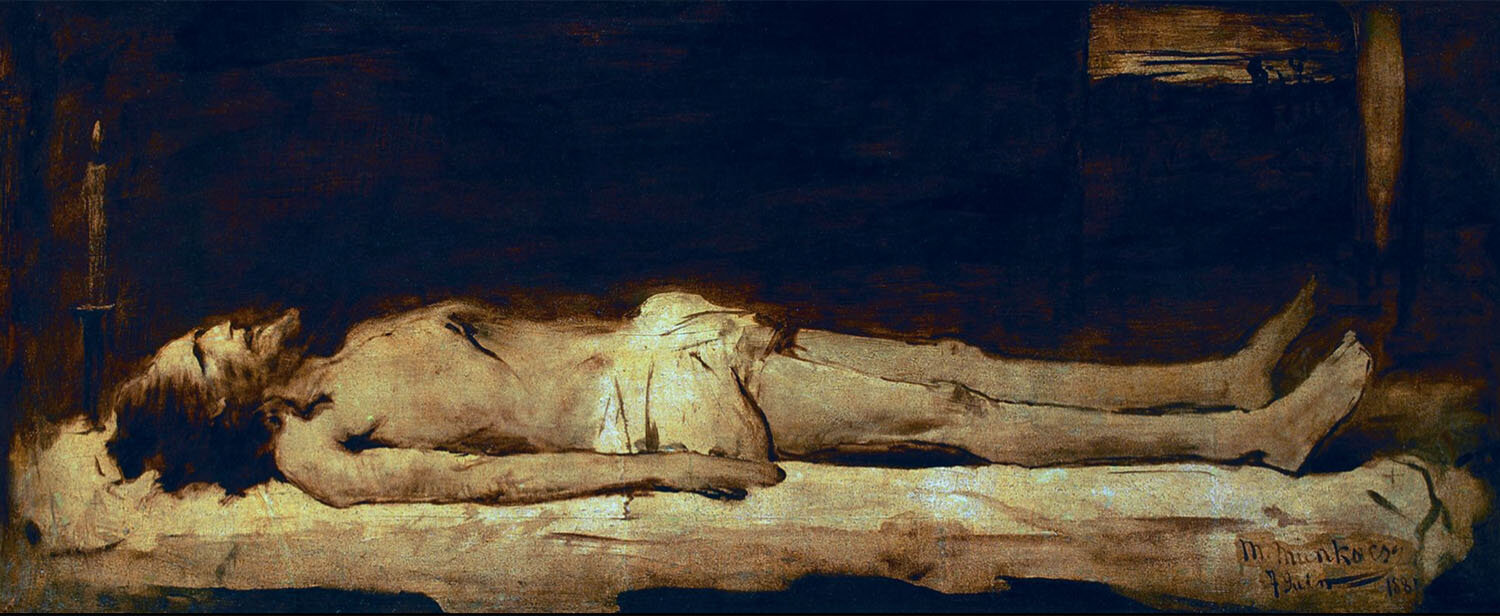
 Artwork: Source
We’ve journeyed through the wilderness of Lent. Now, we sit at the edge.
It’s Saturday.
The cross has stood.
The words “It is finished” have been spoken.
And now… silence.
But silence is not the same as absence.
This final Lenten reflection draws us into the stillness of Holy Saturday—that mysterious space between death and resurrection. It’s a chapter filled with fast-moving events, but it closes not with action, but with waiting. A stone. A tomb. A pause.
Pilate, Power, and the Collapse of Conviction
Pilate appears again, and just like in John 18, there’s a strange desperation in his voice.
He questions.
He hesitates.
He declares Jesus innocent—not once, but three times.
And then he says:
“Here is your king.”
Is it mockery? Maybe. But it also rings with uneasy truth.
Pilate was no fool. As a Roman governor, violence was the language of rule. You don’t keep a post like his without ruthlessness. So why this moment of hesitation? Why this attempt to release someone he surely sees as no real threat?
It’s as if, even in his cynicism, he senses something different about this prisoner. Something that unsettles the empire’s logic of fear and domination.
But the pressure is mounting—and the leaders push harder:
“If you let this man go, you are no friend of Caesar.”
And finally, the words that seal it:
“We have no king but Caesar.”
Let that sink in. The spiritual leaders of Israel—the ones entrusted with the story of a God who freed them from Pharaoh—now pledge allegiance to Caesar.
This isn’t just political compromise.
It’s a collapse of covenant identity—a total rejection of divine kingship in exchange for power and control.
Pilate hands Jesus over.
And truth—quiet, wounded, yet unwavering—walks toward the cross.
Scripture Fulfilled: The Cross as Revelation
John doesn’t let us forget that this is not chaos. It’s fulfilment.
“They divided my garments...” (Psalm 22:18)
“Not one of His bones will be broken.” (Exodus 12:46)
“They will look on the one they have pierced.” (Zechariah 12:10)
Scripture is not just background—it’s the lens through which the disciples begin to understand what just happened.
The cross is a new kind of revelation. Not of wrath, but of God’s glory.
Jesus doesn’t cry in defeat—He proclaims:
“It is finished.”
The mission is complete. The love has been poured out.
The Women at the Cross: The Power of Presence
When others flee, the women stay.
Mary, the mother of Jesus. Her sister. Mary of Clopas. Mary Magdalene.
Why them?
Because love stays. Even when it hurts. Especially when it hurts.
And in that moment, Jesus speaks not just from the cross—but into relationship.
“Woman, here is your son.”
“Here is your mother.”
Even in agony, Jesus honours His mother, fulfilling the Fifth Commandment.
But more than that, He creates a new kind of family—not of blood, but of love and faith.
The Burial: From Secrecy to Boldness
Two unexpected figures step forward:
Joseph of Arimathea – a secret disciple.
Nicodemus – who once came at night.
They risk everything. Reputation. Status. Safety.
Why?
Because they’ve seen the truth. And the truth changes people.
They wrap Jesus in linen, lay Him in a new tomb, and seal it.
It’s quiet. It feels like the end. But it’s not.
The Closed Tomb: Not the End, But the Pause
We end where Lent ends: in waiting.
A tomb is closed. A body lies still.
But in the silence, heaven holds its breath.
Because we know… the tomb will not win.
Holy Saturday invites us to sit with this tension.
Between sorrow and joy. Between loss and life.
Between Friday’s cross and Sunday’s resurrection.
Reflection Questions
What do Pilate’s words and actions reveal about truth and compromise?
How do the women at the cross challenge your understanding of courage and faithfulness?
Have you ever had a “Nicodemus moment”—where you moved from secrecy to boldness in your faith?
How does this day—this pause between death and life—speak to your own story right now?
Closing Prayer
Jesus, You entered into the fullness of human suffering and still chose love.
As we sit in the quiet of Holy Saturday, help us not to rush past the stillness.
Help us to feel the weight of the cross—and the hope of the empty tomb.
May we, like Joseph and Nicodemus, step forward in boldness.
And may we, like Mary, stay near to You—waiting for resurrection.
Amen.