Date: Sunday, November 3, 2024
Byline: Mohammad Hasan Uddin Bhasani, Bangladesh
Sexina’s (Sheikh Hasina) rhetoric centered on Jamaat-BNP, while Motiji’s (Narendra Modi) rhetoric leans on Hindu-Muslim divisions.
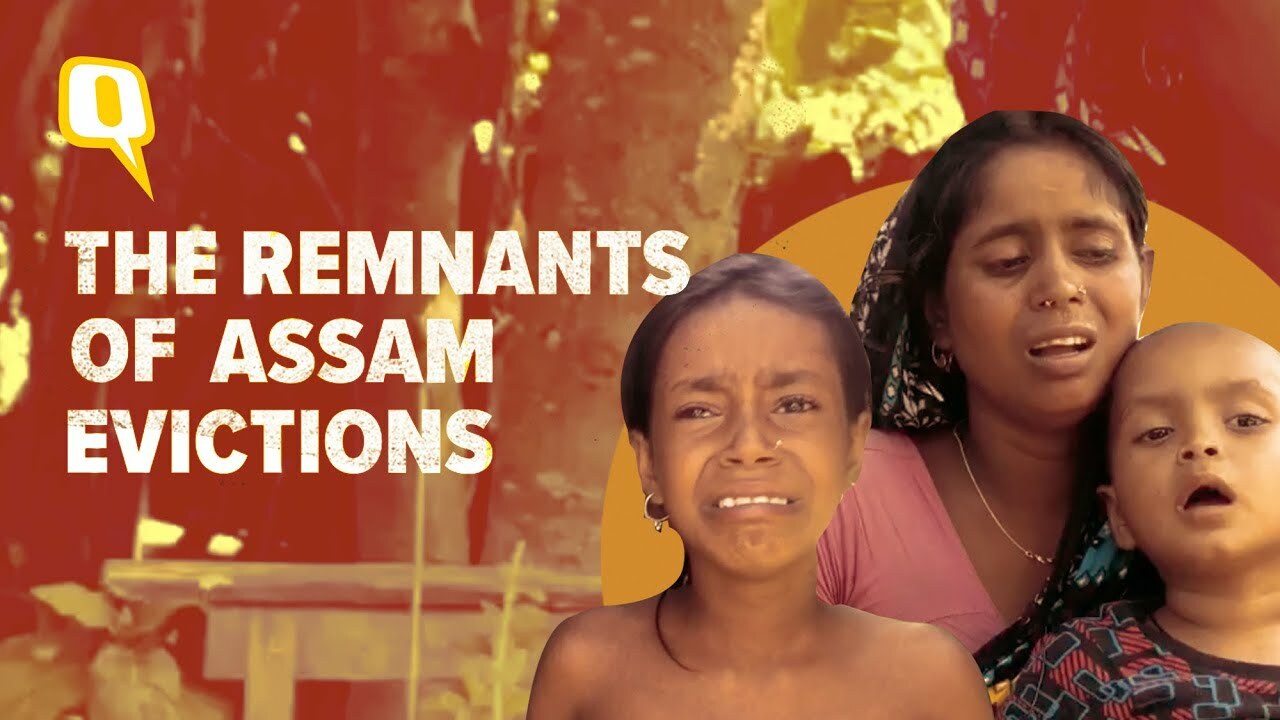
Three years ago in Assam, India, a story began to unfold—one that resonates well beyond its borders. Bulldozers tore through homes belonging to Assamese Muslims, clearing land for government-sanctioned “development projects.” The ruling Bharatiya Janata Party (BJP) presented these demolitions as lawful, asserting that Assamese Muslims were a cultural threat, thus justifying the destruction of their homes.
One of those impacted was Moinul Haque, a resident who stood with only a baton to resist the demolitions. What he faced was not just bulldozers but a hail of bullets. Haque’s life ended that day, yet the violence continued, even in death. Footage that quickly went viral captured journalist Vijay Bania kicking Haque’s lifeless body—a chilling image that seared itself into India’s collective consciousness.
The incident highlights a troubling trend in India’s current political landscape. The BJP, once championed as a democratic force, is now increasingly associated with policies that marginalize Muslim communities and undermine democratic foundations. Observers warn that such actions risk accelerating India’s fragmentation, raising a haunting question: Can democracy withstand this strain?
“They Killed Our Son”: Watch the Assam family mourn
‘They Killed Our Son’: Assam Family Mourn Man Beaten To Death On Camera