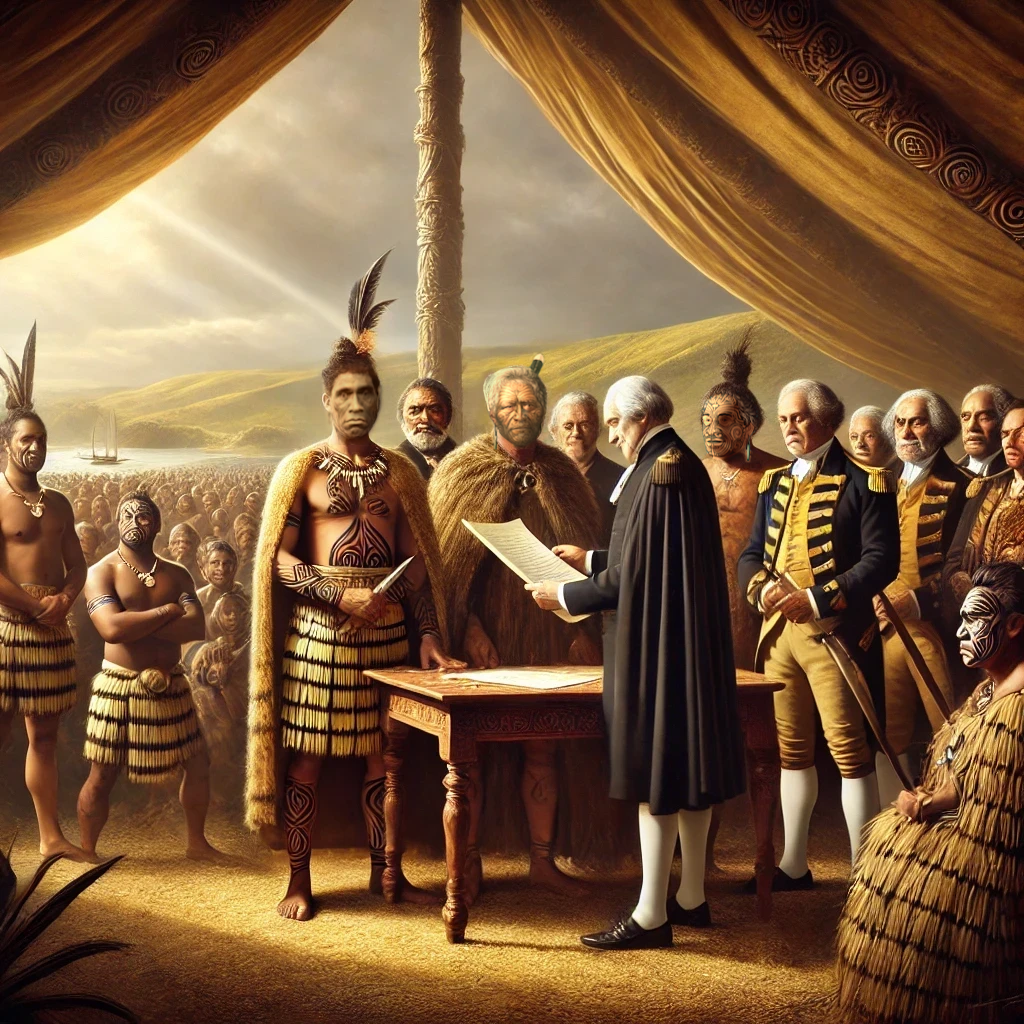


The Treaty of Waitangi, signed in 1840, stands as a cornerstone of New Zealand’s history, shaping not only the relationship between Māori and the Crown but also influencing the environmental, social, and political landscape of the nation. Far beyond a historical document, the Treaty continues to serve as a guiding force in protecting the land and ensuring the well-being of all New Zealanders. Its principles of partnership, protection, and participation have profoundly impacted governance, environmental conservation, and social justice, making it an invaluable part of New Zealand’s identity.
The Treaty as a Protector of the Land
One of the most profound contributions of the Treaty of Waitangi has been its role in environmental stewardship. The Māori concept of kaitiakitanga (guardianship) is deeply embedded in the Treaty’s principles, influencing how New Zealand manages its natural resources. Over the years, the Treaty has provided Māori with legal mechanisms to challenge harmful industrial expansion, ensuring that forests, waterways, and marine ecosystems remain protected, and supporting programs to restore waterways and wetlands.
A landmark example of this is the legal recognition of the Whanganui River as a living entity in 2017. This groundbreaking decision, rooted in Treaty principles, acknowledges the river’s inherent rights and safeguards it from pollution and exploitation. Similar protections have been extended to other sacred natural sites, reinforcing the Treaty’s ongoing influence in maintaining the country’s clean and green image. Without the Treaty’s influence, New Zealand’s pristine landscapes could have been severely impacted by unchecked industrial growth, compromising the natural beauty and ecological balance that define the nation.
Ensuring Social Equity and Legal Protections for All
Beyond environmental stewardship, the Treaty of Waitangi has also played a pivotal role in ensuring justice and social equity. The establishment of the Waitangi Tribunal in 1975 has allowed Māori to seek redress for historical grievances, leading to settlements that contribute to both economic and social development. These settlements strengthen New Zealand’s commitment to fairness and reconciliation, fostering a more inclusive society.
Moreover, Treaty principles have influenced broader human rights legislation, promoting fairness for all New Zealanders. Treaty-based legal frameworks have shaped policies in education, healthcare, and employment, helping to bridge gaps and ensure that all communities benefit from national resources. The emphasis on consultation and inclusion ensures that diverse voices are heard in political decision-making, making New Zealand a leader in democratic governance.
Strengthening the Economy and Cultural Identity
The Treaty has also contributed to the economic strength of New Zealand. Treaty settlements have empowered iwi (tribes) to invest in sustainable industries, tourism, and agriculture, boosting local economies and creating employment opportunities. Māori businesses are increasingly at the forefront of sustainable farming, eco-tourism, and renewable energy projects, all of which align with New Zealand’s global reputation for environmental leadership.
Furthermore, the Treaty has ensured the preservation of Māori culture and language, which are now celebrated as integral parts of New Zealand’s national identity. Te reo Māori (the Māori language) is recognized as an official language, and Māori customs and traditions are embraced in public ceremonies and national celebrations. This cultural richness not only enhances the country’s diversity but also attracts global interest, reinforcing New Zealand’s unique identity on the world stage.
A Foundation for Future Generations
The Treaty’s principles continue to shape New Zealand’s approach to governance, ensuring that policies prioritize sustainability, fairness, and partnership. By upholding the Treaty, the country safeguards its commitment to environmental conservation, social justice, and economic development for future generations. The legacy of the Treaty is evident in modern New Zealand’s ability to balance growth with responsibility, ensuring that its natural and cultural heritage remains intact.
Conclusion: Keeping the Treaty as a Cornerstone of New Zealand Politics
As New Zealand moves forward, the Treaty of Waitangi must remain a foundational pillar of governance. It is more than a historical agreement; it is a living document that continues to shape the nation’s ethical, legal, and environmental framework. The Treaty ensures that the voices of tangata whenua (Māori) are heard and that the land is protected from exploitation. It serves as a safeguard against inequality and environmental degradation, reinforcing New Zealand’s reputation as a country that values justice, sustainability, and unity.
Honoring the Treaty of Waitangi means honoring the wisdom of the old chiefs who signed it, ensuring that their vision of a balanced, fair, and prosperous Aotearoa endures. By keeping the Treaty at the heart of national policy, New Zealand not only acknowledges its past but also secures a future where both the land and all its people thrive together. The Treaty is not just a document of the past—it is the guardian of New Zealand’s future, ensuring prosperity, justice, and sustainability for all its people.