

Grisaille is a painting technique where monochrome shades of grey are used to create the illusion of sculpture or relief. It's often used in decorative arts and murals. Here are 5 beautiful examples you will enjoy:
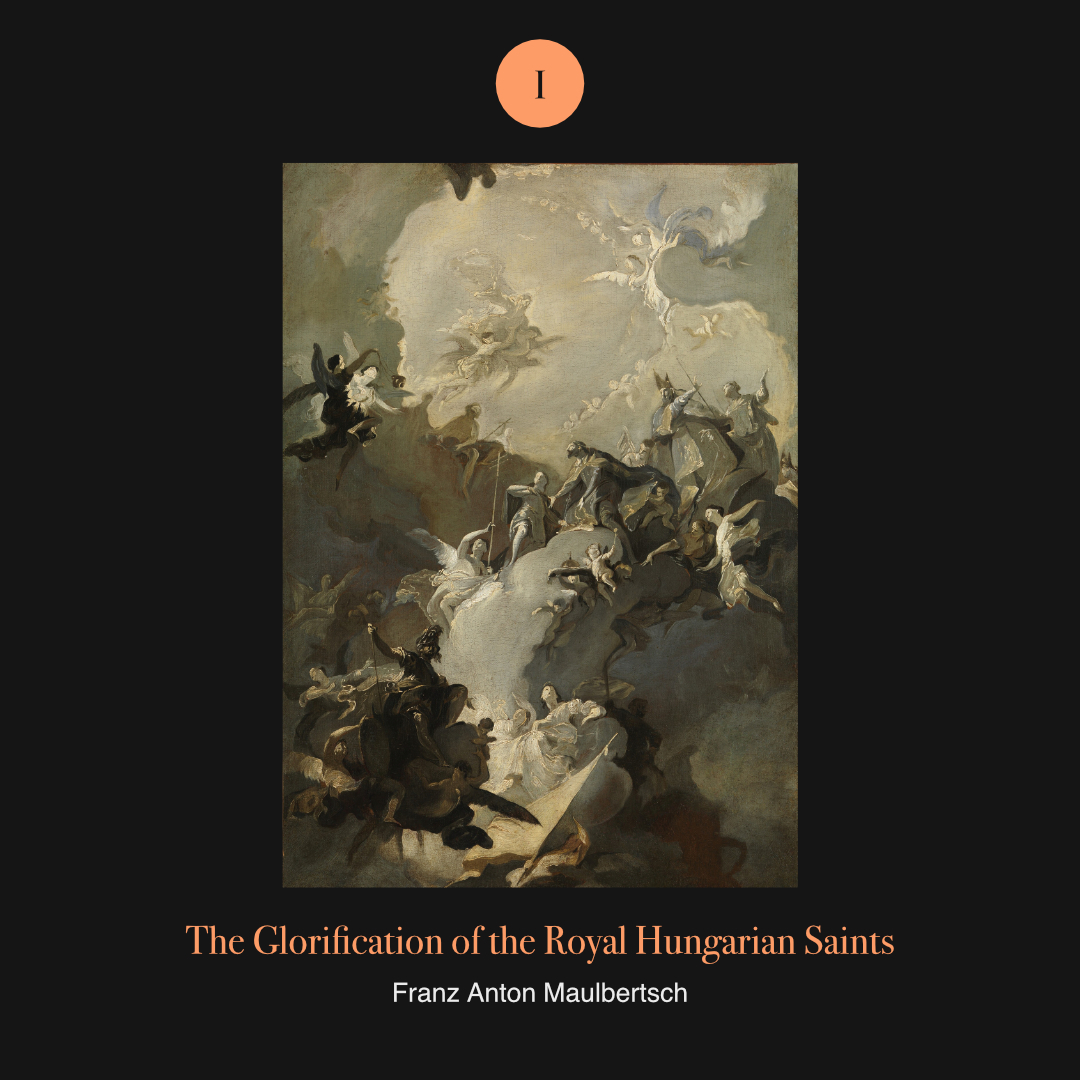
Because creating a full-colour painting demands more time and skill than a monochrome one (in camaieu), grisaille was frequently selected as a faster and more economical option.
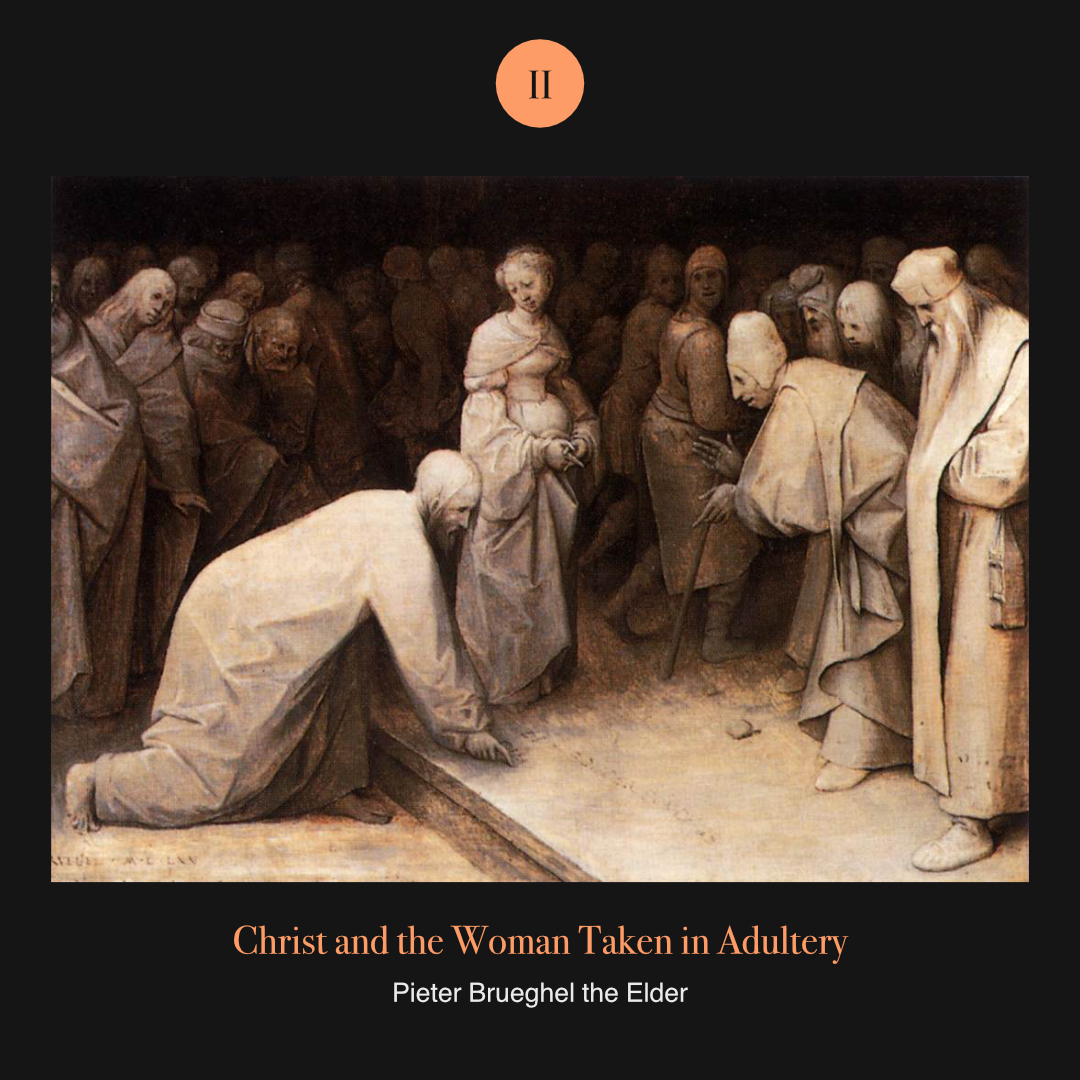
The origins of grisaille painting date back to the late Middle Ages and the Renaissance period in Europe, around the 14th and 15th centuries.

Charcoal or soot was commonly sourced to create the black and grey pigments used in these grisailles.

This technique became popular to imitate the look of sculptures or reliefs in architectural decorations, particularly in churches and cathedrals.
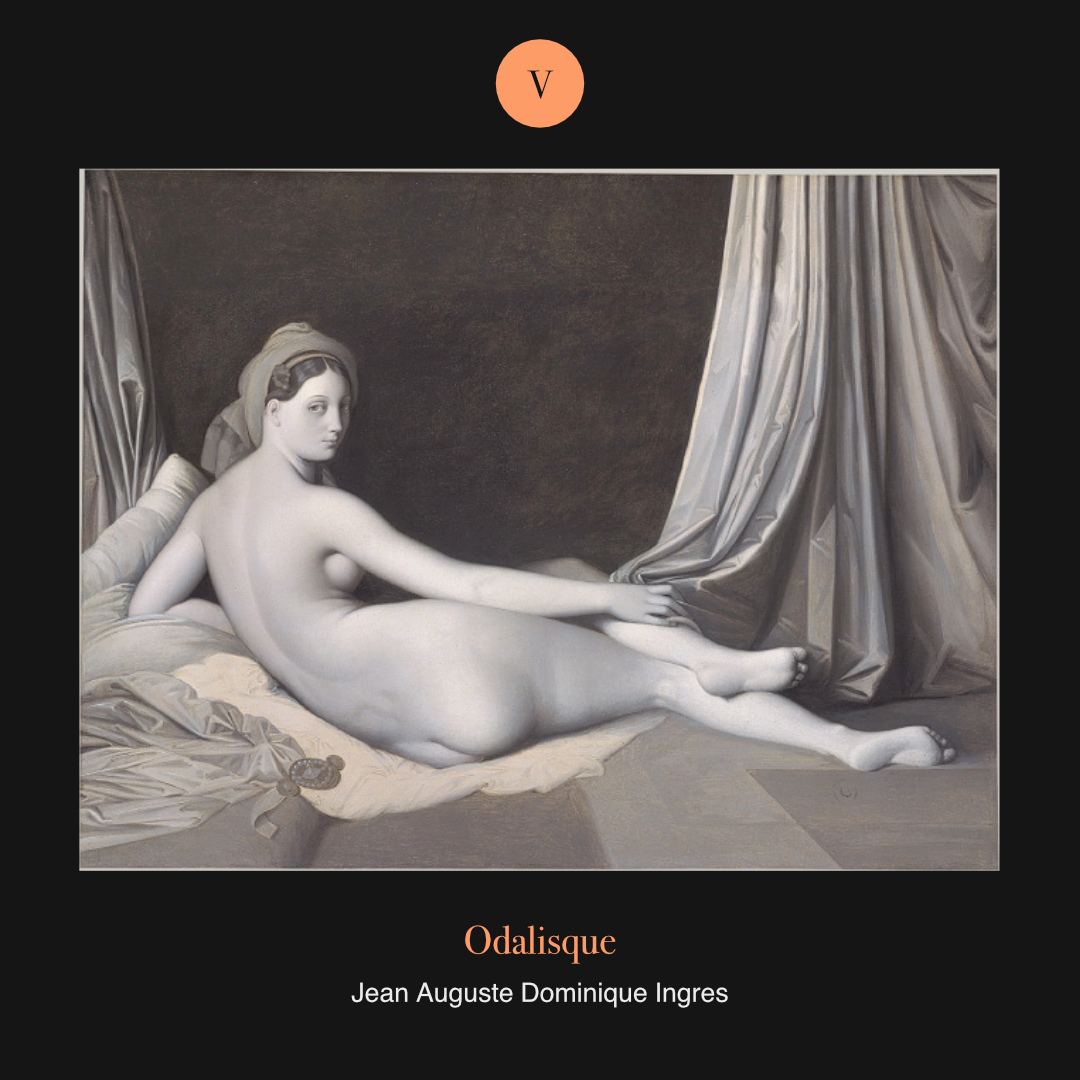
In essence, a grisaille piece can stand alone as a completed work or serve as an initial underpainting for an oil painting. In the latter scenario, the artist applies layers of coloured glaze over the grisaille. Note In French art, the term grisaille encompasses any painting technique where oil colours are added to a monochromatic underpainting.