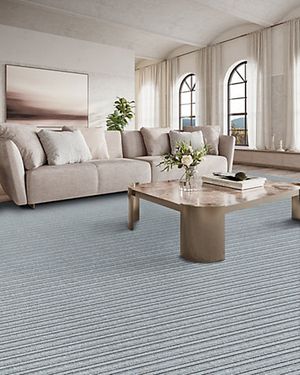

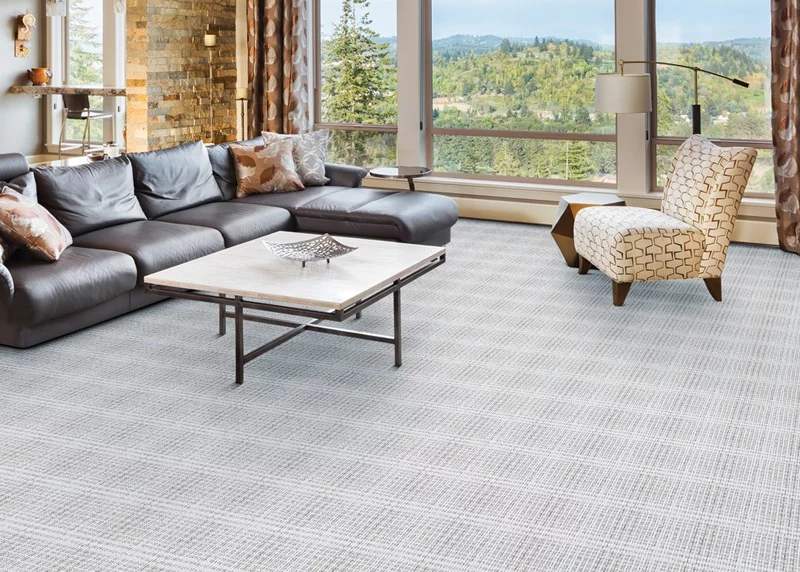
There’s a quiet revolution happening underfoot. Once associated with old country estates and tailored sitting rooms, plaid carpet is emerging as one of the most sophisticated pattern stories in contemporary design. It’s not nostalgia driving this revival—it’s craftsmanship. In the hands of today’s mills and designers, plaid has evolved into a study in texture, geometry, and sustainable artistry.
As a pattern, plaid has always offered structure. It’s a grid of balance—both comforting and architectural. But now, thanks to advanced weaving technologies and eco-conscious fibers, this heritage motif feels freshly relevant in spaces that range from boutique hotels to modern city flats.
Heritage Meets High Design
Plaid’s lineage traces back to the tartans of Scotland, where pattern once symbolized lineage and craftsmanship. In interiors, that sense of belonging still resonates. Designers have long borrowed from those ancestral weaves to bring warmth and identity into a room.
Yet what’s striking about plaid’s current resurgence is how far it’s traveled from its origins. Today, a tailored wool plaid runner in soft gray tones feels as appropriate in a Manhattan penthouse as a countryside lodge. Brands like Stanton Carpet, Prestige Mills, and Ulster Carpets have embraced the motif, interpreting it through Axminster and Wilton looms that offer precise control over color, scale, and texture.
Craftsmanship: The New Luxury
Plaid demands discipline. Every line, every color band, must fall into perfect alignment—a precision that showcases the mastery of traditional weaving methods.
Axminster constructions allow for exacting pattern clarity and depth, weaving each yarn into the backing to create carpets that can last generations. Wilton weaves, meanwhile, deliver dense, plush pile with remarkable color integrity. And for designers working within flexible budgets, tufted constructions offer a more accessible yet durable canvas for custom plaid rug designs.
This level of craftsmanship isn’t about replicating the past—it’s about elevating it. Modern digital looms allow designers to reimagine scale and palette, creating plaids that feel graphic, tonal, or painterly depending on the brief.
Material Matters: A Sustainable Shift
As the design industry embraces greener practices, plaid carpet has found new purpose in sustainability. Mills are now producing plaids in eco-friendly wool blends, recycled nylon, and solution-dyed fibers that extend longevity while minimizing environmental impact.
Wool, in particular, remains the gold standard—naturally stain-resistant, sound-absorbing, and biodegradable. The tactile warmth of wool plaid flooring adds depth to interiors, especially when paired with organic materials like oak, linen, and stone.
Some mills, such as Ulster, have refined vertical manufacturing to control every stage—from spinning to dyeing—reducing waste and ensuring consistent quality. Others, like Stanton and Masland, blend innovation with luxury, crafting carpets that honor tradition while aligning with modern sustainability goals.
The Modern Aesthetic: Plaid Without Nostalgia
For designers, plaid is no longer a theme—it’s a tool. It provides rhythm and visual grounding in spaces that crave balance.
In traditional interiors, plaid conveys sophistication and permanence. In modern minimalist rooms, a subtle tone-on-tone plaid rug introduces texture without distraction. Even industrial and urban spaces benefit from plaid’s structure; it can soften hard edges without losing character.
When used as a custom plaid rug, the pattern becomes even more powerful. Whether defining a sitting area or anchoring a dining space, the geometry creates quiet order. As one designer recently noted, “Plaid grounds a room—it’s both rhythm and restraint.”
Where Plaid Belongs Today
Plaid’s versatility extends far beyond the expected study or den. It thrives in:
Hospitality settings, where rich, woven patterns add identity and wear resistance.
Residential hallways and staircases, elongating spaces through linear flow.
Open-plan living areas, where a large-scale plaid rug delineates zones without partitions.
For a cohesive result, designers often align the pattern’s primary lines with architectural sightlines—doorways, corridors, or stair runs—to enhance symmetry and movement.
Why Plaid Feels Right Again
Beyond aesthetics, plaid resonates on an emotional level. In a world of constant visual noise, its symmetry feels grounding. The intersecting lines create a sense of order—an echo of the craftsmanship and care that define timeless design.
Perhaps that’s why plaid is once again finding its way into designer palettes: it represents a quiet rebellion against the disposable. It speaks to authenticity, durability, and human touch—all qualities that discerning clients increasingly value.
Reclaiming a Classic
The resurgence of plaid carpet isn’t about trend cycles; it’s about rediscovery. Designers are reinterpreting a centuries-old pattern through sustainable materials and precise construction, reminding us that true luxury is built to last.
For those seeking texture, warmth, and heritage in one gesture, a custom plaid rug may be the perfect foundation—tailored, enduring, and infinitely adaptable.
To explore premium plaid carpets and bespoke rug options, visit Carpets in Dalton, where traditional craftsmanship meets contemporary design vision.