

Subscribers get bonus perks: ask me unlimited gameplay questions about any review and get personal responses within 24 hours!
Want a game that tugs at your heartstrings without feeling derivative, sappy, or overbearing? You may have met your match with Ori: Will of the Wisps. While the first game, Ori and the Blind Forest, was poignant, it struggled with some gameplay issues, so what can we expect from Wisps?
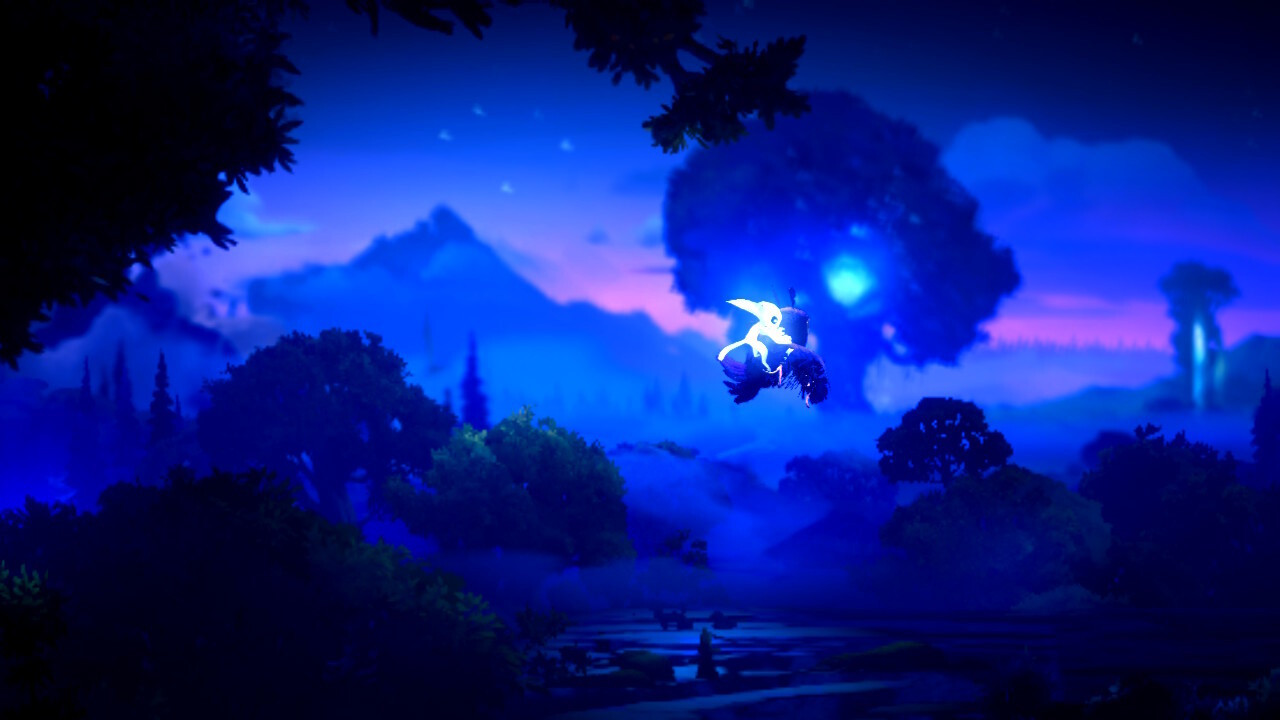 At the start of the game, Ku, a young owl, has a damaged wing that prevents him from flying. With the help of a new feather, Ku is eventually able to fly, and together with Ori, they take to the skies. Their joy is short-lived, however, as a violent storm separates them and forces them to the ground in one of the most breathtaking opening scenes I've seen in a game. This event sparks Ori’s journey to reunite with Ku and confront the spreading darkness that infects the unfamiliar land. This moving narrative is augmented by a captivating, elegant soundtrack that is sure to send your heart into a fluttering spiral of hope and sorrow, perfectly mirroring the game’s delicate balance of beauty and melancholy.
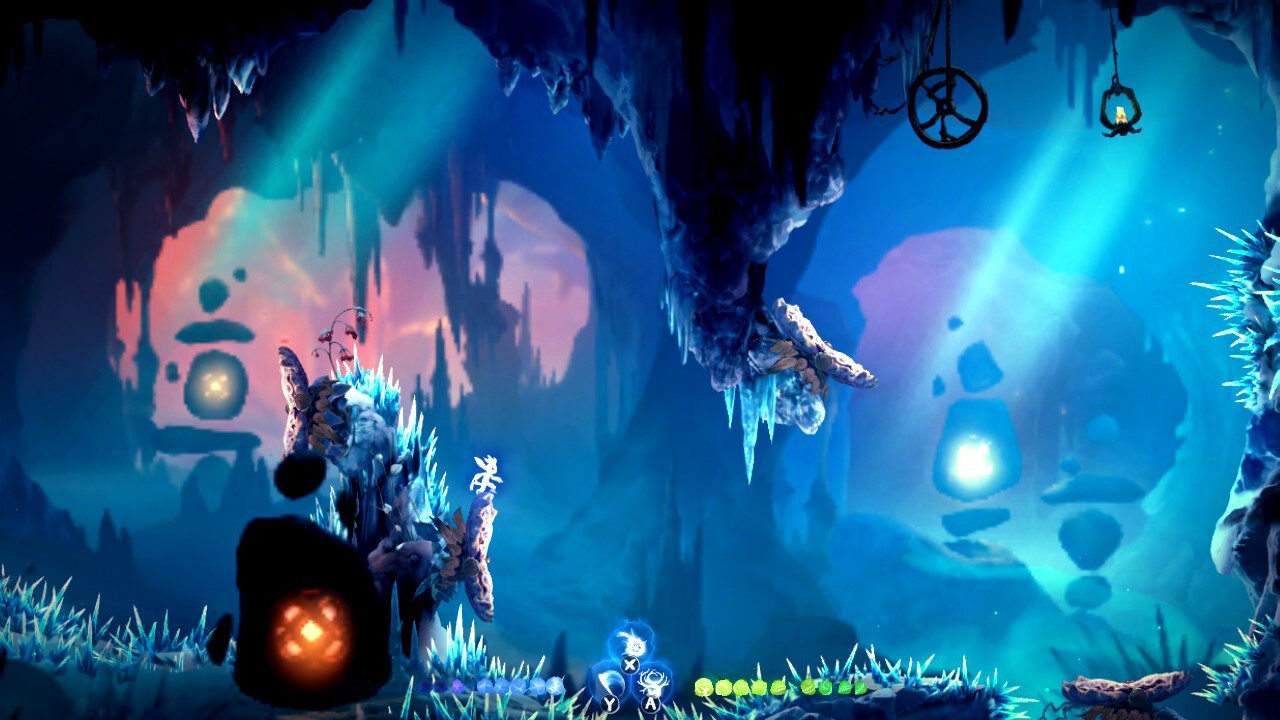 While the story shines, nearly every other aspect of Wisps is also a clear step up from its predecessor. Within an hour, you'll likely notice that movement is a lot more fluid, without some of the clumsiness that sent Ori falling into damage floors or pits. The removal of insta-kill traps makes the game more accessible, though some hardcore players might miss the added challenge. In that case, playing on hard mitigates a lot of that, and there are achievements for beating it without dying or within a certain amount of time. Plus, Ori has many slots to equip shards. These can be neutral, or even further alter the challenge, making it easier (like 30% increase in defense) or more difficult, like enemies hitting harder. Other shards felt strictly situational, while others struck me as fluff.
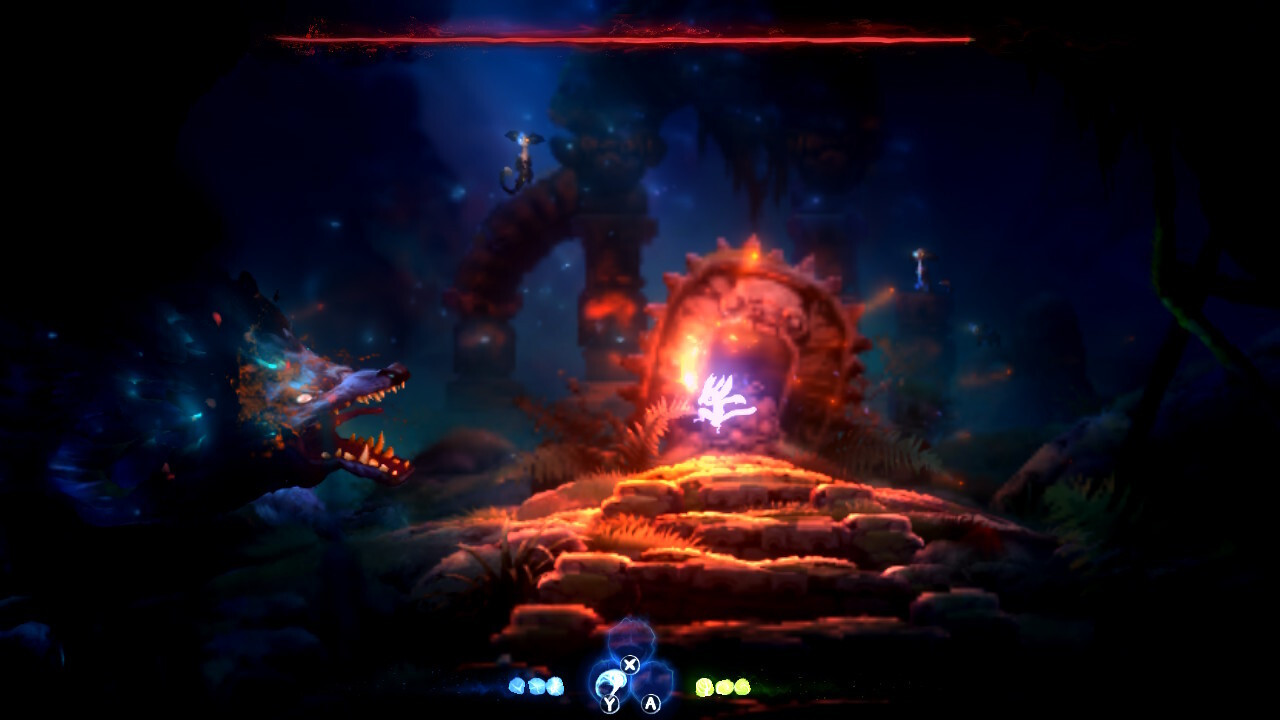 I played on normal and found the challenge just right outside of one chase scene, I'll touch on it soon. Wisps introduces bosses, a feature absent from Blind Forest, and while some of them can be tough and occasionally frustrating, they always felt fair and skill-based. The game also brings back chase scenes, which are generally improved over the first game. On the other hand, a desert chase stands out as a major difficulty spike where some of the flaws from the first game reared their ugly head, such as the rubber band effect, where performing too efficiently seems to speed up the pursuer unnaturally to keep the pressure on. While I understand the goal of maintaining tension, the design can feel punishing rather than thrilling. Still, overall, with improved precision in platforming, the chase scenes were fairer, and I usually beat them in 2 or 3 tries. The late-game desert chase took me over a dozen attempts, mainly due to burrow being a nightmare to use in high-stakes situations. From what I’ve seen online, it’s a sequence that has stumped players for days or even weeks. It was the most commonly complained-about part of the game, according to my research. Just be ready, but know you will persevere with patience.
One thing that helps with practicing for those chases is the spirit races, where the stakes are much lower. They might seem impossible at first, but with persistence, I beat each one, which really helped me progress at key points in the story, as each race demands that you are comfortable and efficient with Ori's move set. Other optional content is about 15 or 20 sidequests, most of which offer solid awards, combat arenas that are quick but extremely worth it, and helping the forest citizens rebuild their village.
While exploring, enemies respawn quickly, which might annoy some gamers. During puzzle solving, I found this vexing, as you don't have to travel far at all for them to reappear, adding an unneeded layer of hassle. This becomes especially frustrating during vertical platforming sections or larger puzzles that require activating distant switches. Ori has plenty in the arsenal to get rid of these burdensome foes. The standard attack is greatly improved and satisfying to wield, and I relied mostly on that, but a handful of other skills are useful in certain circumstances, such as the bow and arrow and a lightning-fast spear. Combat feels more refined than Blind Forest, but not quite at the peak of Metroidvanias as a whole. Even if you die, which is likely to happen over 100 times on a first playthrough, the game is generous with checkpoints, though I could have done without autosaves, as several times, I was placed in the thick of a bunch of savage, ravaging monsters! I still prefer the auto-save, manual save combination as the gamer knows themselves best and where they want to save.
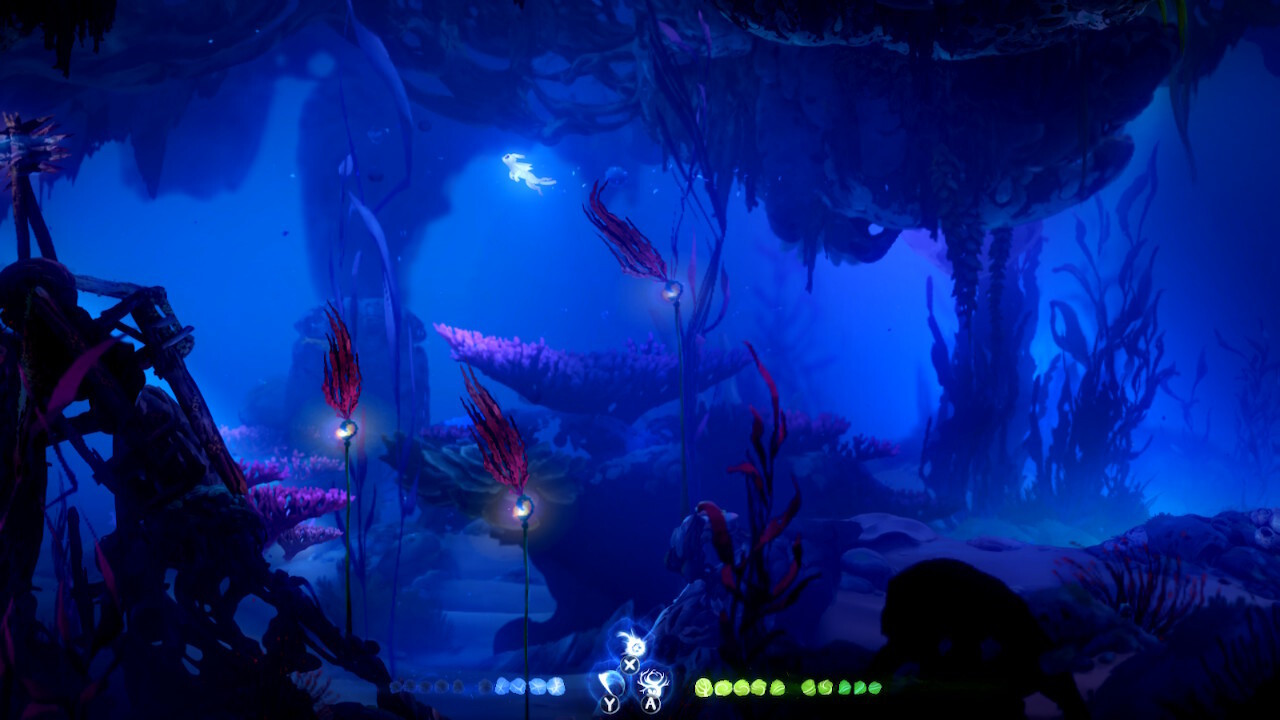 Performance was ok, occasional slowdown, but more problematic was screen scroll delay, or the screen sometimes wouldn't scroll right away when Ori would jump, so Ori would go off-screen, and the screen would take a second to catch up. This was a problem in phase 3 of the final boss, where I'm pretty sure I bashed my way off-screen. While moving around the world late-game, the tools and power-ups are available to send Ori moving across entire screens in under a second, so the game needs to keep up, but it can't always.
Another issue in phase 3 was Ori getting lost in the visual clutter, a problem reminiscent of Blind Forest. In the rest of the game, Ori does feel like a speck in certain areas, bursting with colors and details. Not to the extent of Blind Forest, but I could see it being problematic for people with lesser eyesight.
The world of Niwen is a blast to explore, helped by a massive, detailed map with clear labels that make navigation intuitive. There was never a question of the objective, but sometimes how to reach it was ambiguous, and a few times I went deep down a path before realizing a critical movement upgrade was missing. I also would have liked to see improved side quest tracking, as well as a list of completed quests with a brief synopsis.
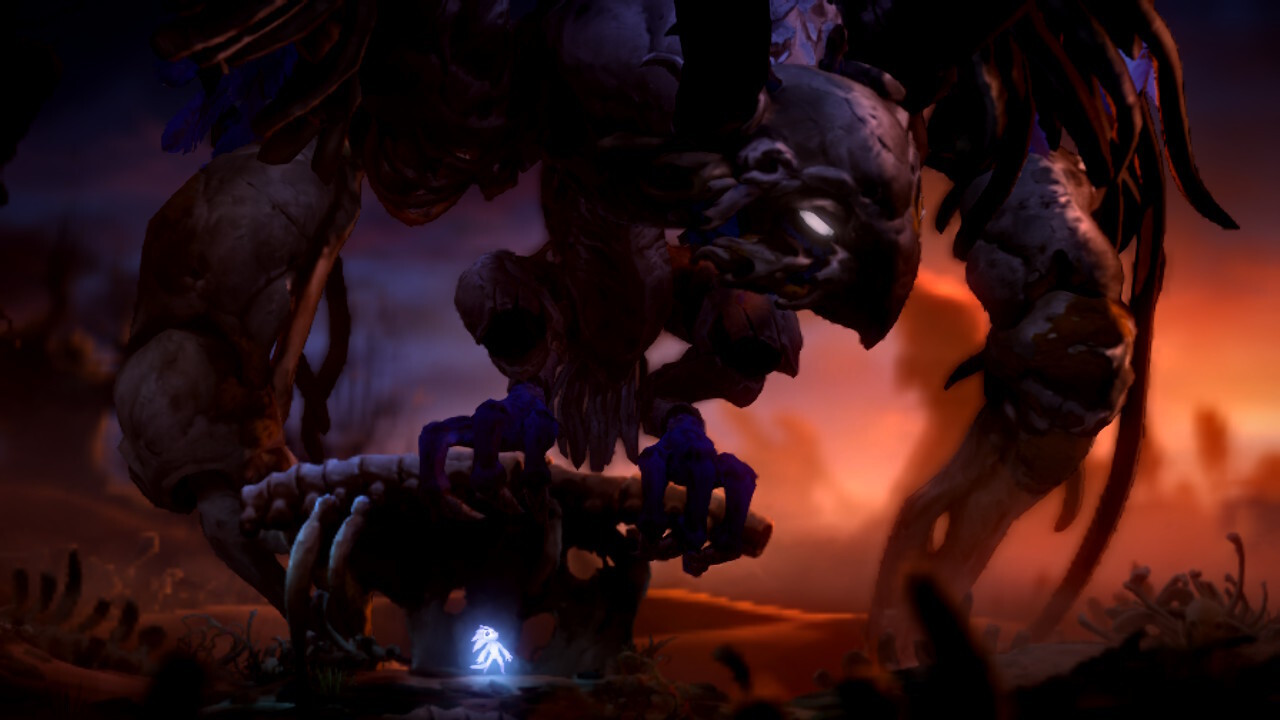 Ori and the Will of the Wisps is not just a technical upgrade; it’s a more mature and polished experience that retains the emotional core of the original while delivering tighter gameplay and a more accessible, rewarding journey. Whether you’re a Metroidvania fan or want a beautifully crafted game that will stay with you long after the credits, Ori: Will of the Wisps is an unforgettable adventure worth taking.
If you like what you’ve read, click here or here to buy the game!
As a heads up, this post contains affiliate links. I may earn a small commission at no extra cost to you.