

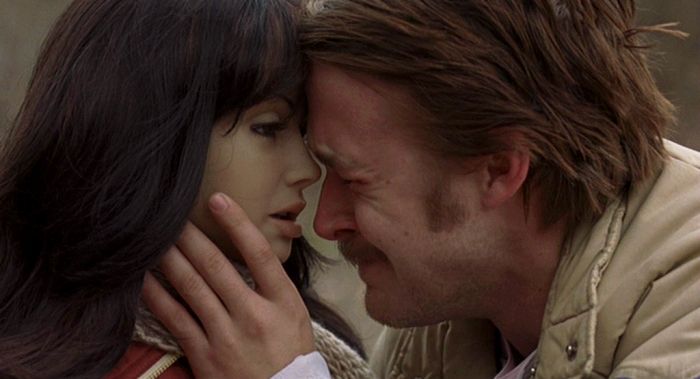
 Lars is a shy, solitary young man living in a small town, with limited ability to communicate or form emotional bonds. One day, he surprises everyone by introducing his girlfriend: Bianca, a life-size plastic doll.
What at first seems like a delusional act becomes the starting point of a profound story about trauma, grief, and healing.
Written by Nancy Oliver and directed by Craig Gillespie, and starring Ryan Gosling, the film initially shows us Lars’s routine life: his office job, his distant relationship with his brother and pregnant sister-in-law who live just a few steps away and his constant avoidance of any affectionate gesture or intimate conversation. Lars lives isolated in the garage that once belonged to his parents, clinging to a silent and predictable routine.
One night everything changes: Lars introduces Bianca as his partner. From that moment on, the story becomes a collective process. The community is confronted and involved, and Lars begins, through Bianca, an emotional journey that forces him to face his past and the wounds he never learned to name.

His sister-in-law’s pregnancy acts as an emotional trigger. The baby’s impending arrival reopens an unconscious wound in Lars: his own birth, marked by the death of his mother, an unresolved trauma that was never addressed within his family. His father, devastated, became emotionally unreachable, and his older brother left home as soon as he could. In that environment, Lars grew up without secure attachment figures or emotional support.
 Although he appears to be a functional adult: with a job, responsibilities, and limited social participation, his main struggle is forming deep emotional connections. He avoids physical contact, intimate conversations, and especially any bond that requires true emotional closeness with women.
This is where Bianca enters. For Lars, she is not “just a doll”: she becomes a symbolic figure where he can project and contain emotions he cannot yet share with others. They build routines together, visit places from his childhood, and create personal stories. Lars even constructs an identity for her: a young Brazilian missionary with limited English, “sent by God to help.” Bianca becomes the ideal partner: she cannot hurt him, abandon him, and, most importantly, she cannot die.
In a significant scene, a woman from the church gives Lars and Bianca artificial flowers, and he replies, “They’re perfect because they’re plastic and they’ll last.” That line captures his need to control pain and avoid the risk of real loss.
Lars was raised in emotional isolation, responding with anxiety to new or intimate experiences. His dissociative coping creating a reality in which Bianca is real works as a psychological defense against complex childhood trauma and unresolved grief. Bianca functions as a transitional object, a symbolic figure that allows him to navigate emotions tied to love, loss, and responsibility.
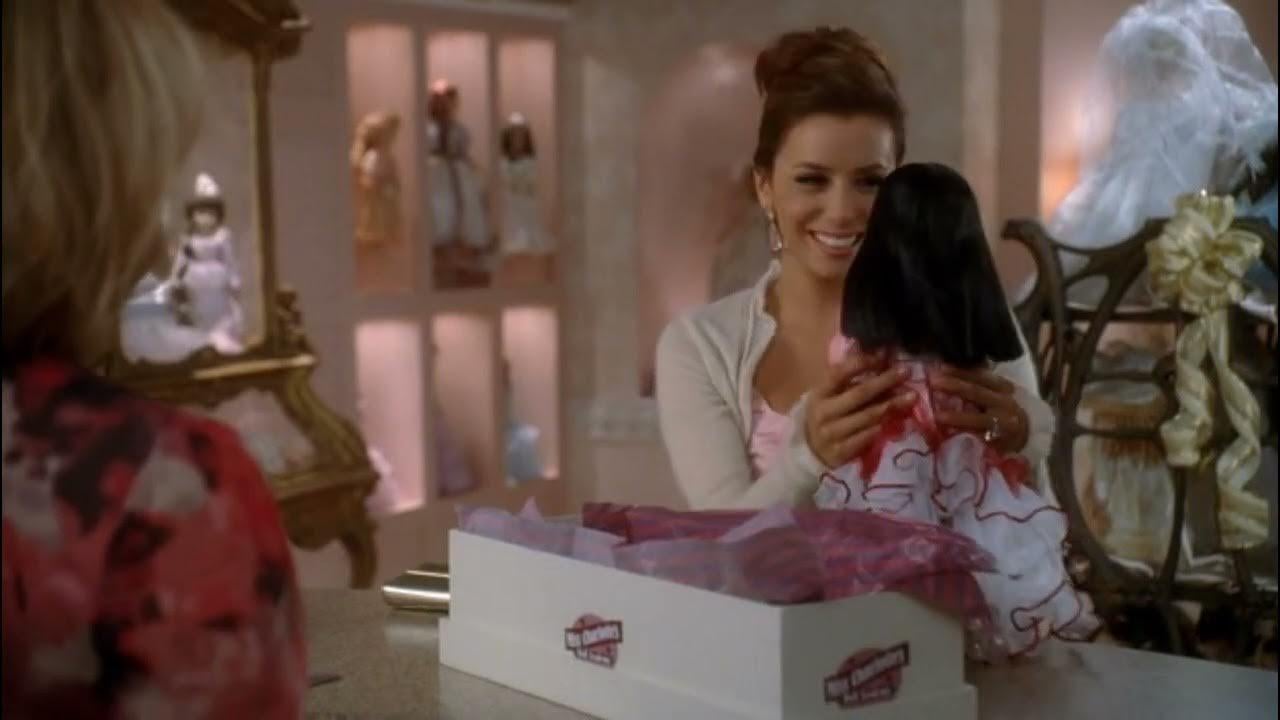
This same mechanism appears in other fictional characters, such as Gabrielle Solis (Gaby) in Desperate Housewives. In one episode, Gaby discovers that her biological daughter was switched at birth and, when she’s forced to be separated from her, she becomes deeply attached to a children’s doll, treating it as her daughter. What seems irrational is, at its core, an attempt to process profound emotional loss through a symbolic object. Both Lars and Gaby rely on substitute figures to hold themselves together until they are ready to face real grief.
 Through Bianca, Lars slowly begins to integrate into the community: he joins dinners, bowling games, and social gatherings. Although he initially avoids physical contact, he gradually allows himself to hug, touch, and open up emotionally. Bianca becomes a bridge between his inner world and the people around him.
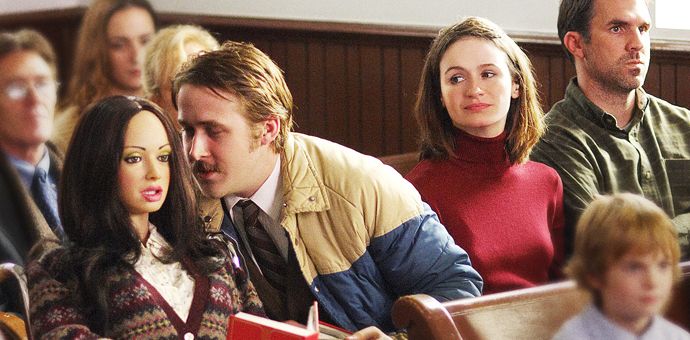 One of the most remarkable aspects of the film is the community’s response. Instead of confronting him or forcing him to “face reality,” his neighbors though skeptical at first choose to support him. They play along, include Bianca in their daily activities, and in doing so, they accept Lars while helping him heal at his own pace. Bianca becomes a symbol of empathy and collective care.
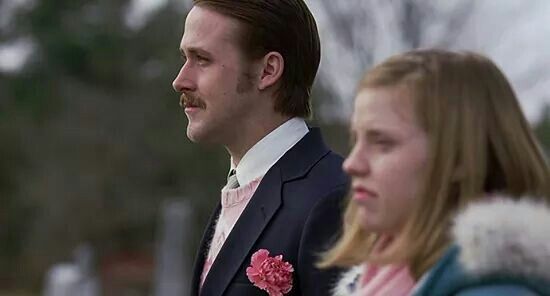
 Finally, when Lars lets Bianca go (and even holds a symbolic funeral for her) he reveals that his healing process has reached a natural conclusion. He has faced his grief, reframed his story, and is now able to open himself to real human connection.
𝜗ৎ — bloodynymph.