
Bicycle theft is a significant issue worldwide, with millions of bikes stolen annually. For many cyclists, their bike is more than just a mode of transportation; it’s an investment in health, convenience, and sometimes a cherished possession. A sturdy, reliable bicycle lock is your first line of defense against theft. However, with the wide variety of locks available, it can be daunting to choose the right one. This guide explores the world of bicycle locks, discussing their types, how to use them effectively, and tips for securing your bike.
Why Are Bicycle Locks Important?
Statistics show that approximately 2 million bicycles are stolen each year in the United States alone, with similar trends worldwide. In most cases, thieves target poorly secured or unsecured bikes. Many cyclists are shocked by how quickly and effortlessly a thief can break through a cheap or poorly designed lock.
While no lock is 100% theft-proof, a good lock can deter most opportunistic thieves and make stealing your bike more challenging and time-consuming. The right lock, combined with effective locking techniques, can significantly reduce the risk of theft.
Types of Bicycle Locks
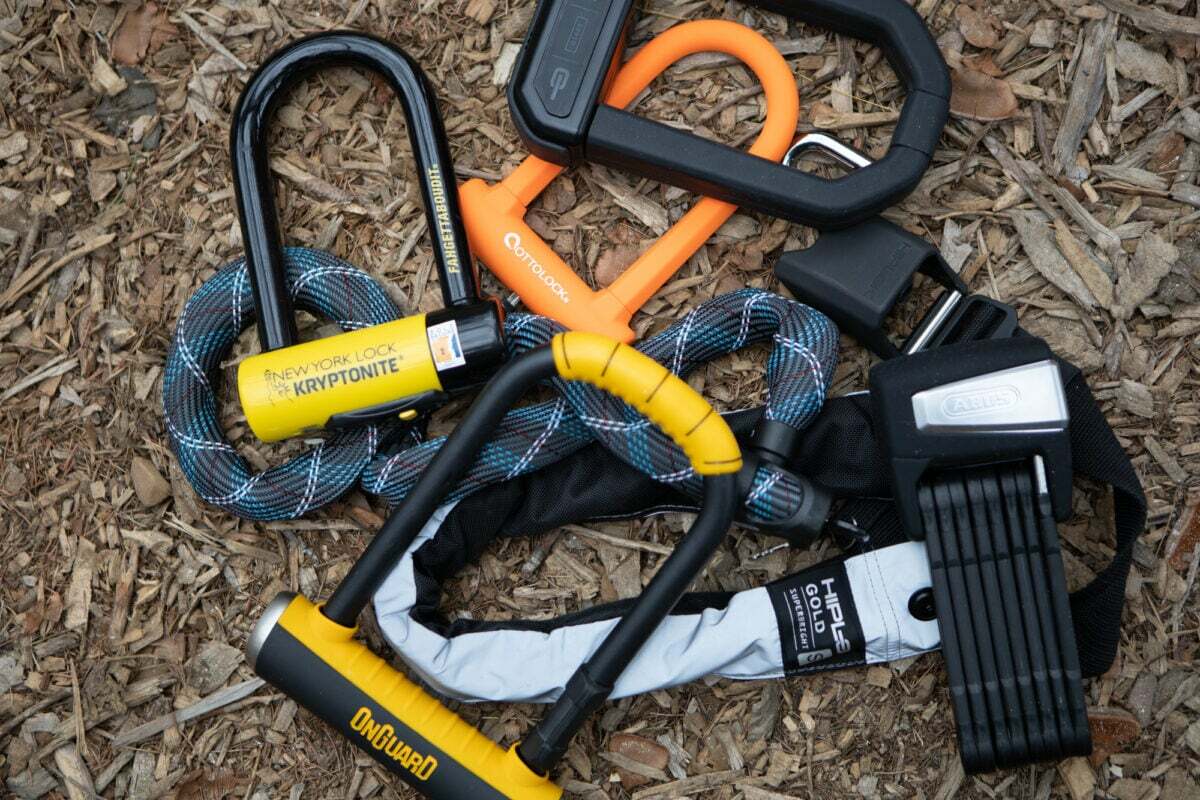
There are several types of bike locks on the market, each with its own strengths, weaknesses, and best-use scenarios. Let’s dive into the most common ones:
1. U-Locks (D-Locks)
Overview:
U-locks, also known as D-locks, are among the most popular bicycle locks. They consist of a solid metal shackle in a U or D shape and a locking mechanism.
Pros:
High Security: Made from hardened steel, U-locks are difficult to cut with bolt cutters.
Compact: Easy to carry on your bike or in a bag.
Resistant to Leverage Attacks: Their rigid design limits the room for thieves to use leverage tools.
Cons:
Limited Size: Their small locking area can make it challenging to secure your bike in certain scenarios.
Weight: Heavier than some other lock types.
Best Use:
U-locks are ideal for urban environments where bike racks or fixed objects are readily available. They work best when combined with additional locks for wheels.
2. Chain Locks
Overview:
Chain locks consist of a hardened steel chain and a robust padlock or integrated locking mechanism.
Pros:
Versatility: Can secure your bike to larger or irregularly shaped objects.
Cut-Resistant: High-quality chains resist bolt cutters and saws.
Cons:
Weight: Often very heavy and less portable than U-locks.
Noise: The chain can rattle while riding if not secured properly.
Best Use:
Chain locks are excellent for areas where you need flexibility, such as locations without standard bike racks. They’re also a great secondary lock for additional security.
3. Cable Locks
Overview:
Cable locks are made of braided steel cables encased in plastic or rubber.
Pros:
Lightweight: Easy to carry and use.
Flexible: Can wrap around large objects or secure multiple parts of your bike.
Cons:
Low Security: Most cable locks can be cut quickly with bolt cutters.
Not Durable: They are more susceptible to wear and tear.
Best Use:
Cable locks are best used as secondary locks or in low-risk areas where theft is unlikely. They should not be relied on as the primary means of security.
4. Folding Locks
Overview:
Folding locks consist of several metal plates connected by rivets, allowing them to fold into a compact shape.
Pros:
Compact: Easy to store and transport.
Flexible: Can secure bikes to a wide range of objects.
Cons:
Moderate Security: While better than cable locks, folding locks are not as secure as U-locks or heavy chains.
Best Use:
Folding locks are ideal for commuters who prioritize portability and need moderate security.
5. Wheel and Frame Locks
Overview:
These locks are permanently attached to the bike frame or wheel. When engaged, they prevent the wheel from turning.
Pros:
Convenient: Always attached and easy to use.
Lightweight: Minimal added weight.
Cons:
Low Security: They don’t secure the bike to an object, making them less effective against theft.
Best Use:
These locks are most effective in low-risk areas or as secondary locks in combination with a U-lock or chain lock.
Key Features to Consider When Choosing a Bicycle Lock
Not all locks are created equal, so here are some essential factors to keep in mind:
1. Security Rating
Many locks are tested and rated by organizations such as Sold Secure or ART. Look for locks with high ratings, such as Gold or Diamond standards.
2. Materials
The quality of materials matters. Hardened steel is the standard for high-security locks. Avoid locks made of soft metals or thin cables.
3. Size and Portability
A lock should be portable and easy to use. However, there’s often a trade-off between portability and security.
4. Locking Mechanism
Choose locks with anti-pick mechanisms and weather-resistant designs. Key-operated locks are generally more secure than combination locks.
5. Weight
While heavier locks are usually more secure, they can be cumbersome to carry daily. Choose a lock that balances security and convenience.
How to Properly Lock Your Bicycle
A strong lock is only effective if used correctly. Follow these best practices for securing your bike:
1. Lock to a Secure Object
Always lock your bike to a fixed, immovable object that can’t be easily cut or lifted, such as a bike rack or sturdy pole.
2. Secure the Frame and Wheels
Prioritize locking the bike frame and at least one wheel. If possible, use a second lock to secure the other wheel.
3. Keep the Lock Off the Ground
Position the lock high off the ground to make it harder for thieves to use tools like bolt cutters or hammers.
4. Avoid Common Mistakes
Never lock just the front wheel—it’s easily removable.
Avoid locking to weak or short objects, like small trees or fences.
Common Methods Thieves Use to Break Locks
Understanding how locks are attacked can help you choose and use them wisely:
Bolt Cutters: Most cable locks and thin chains can be cut in seconds.
Angle Grinders: Even the toughest locks can eventually be cut with power tools, but they make noise and take time.
Leverage Attacks: Thieves use tools to pry open U-locks if they’re improperly positioned.
Lock Picking: Poor-quality locks with weak mechanisms are susceptible to picking.
Combining Locks for Maximum Security
One lock is often not enough, especially in high-theft areas. Here’s how you can combine locks for extra protection:
Use a U-lock to secure the frame and rear wheel to a bike rack.
Add a cable or chain lock to secure the front wheel and saddle.
For e-bikes or expensive bikes, consider using a GPS tracker as an additional layer of security.
Top Bicycle Lock Brands and Recommendations
Some trusted brands offer high-quality locks tested for durability and security. Here are a few examples:
Kryptonite: Known for its U-locks and chain locks, Kryptonite offers a wide range of high-security options.
ABUS: A German brand offering premium locks with excellent security ratings.
OnGuard: Known for its affordability and robust locking mechanisms.
Hiplok: Focuses on wearable and lightweight locks.
Additional Tips for Bike Security
Register Your Bike: In case of theft, registration can help authorities track it down.
Remove Accessories: Thieves may target bike lights, saddlebags, and other removable items.
Park Smartly: Choose well-lit, high-traffic areas with surveillance cameras if possible.
Conclusion
Bicycle locks are an essential investment for any cyclist. While no lock can guarantee 100% security, choosing the right type of lock and using it correctly can significantly reduce the risk of theft. Understanding the strengths and weaknesses of each type of lock, combined with smart locking techniques, is key to keeping your bike safe.
Whether you’re a daily commuter, a recreational rider, or a bikepacking enthusiast, the peace of mind that comes with a good lock is invaluable. Stay vigilant, use multiple layers of security, and always prioritize securing your bike properly. After all, a good lock is much cheaper than replacing your beloved bike!