

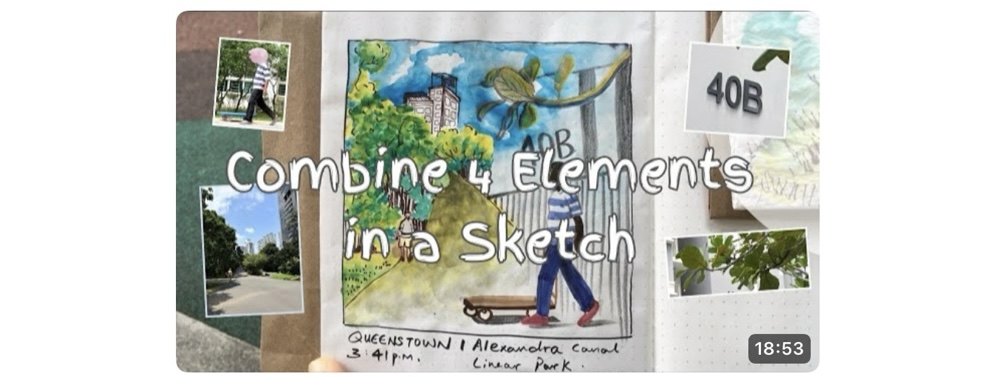
Sketching can be a great way to release stress. And sketching without overthinking? That can release even more. I sketch for many reasons—at first, it was about journaling moments from my life. But in the above video, I’m drawing simply for fun.
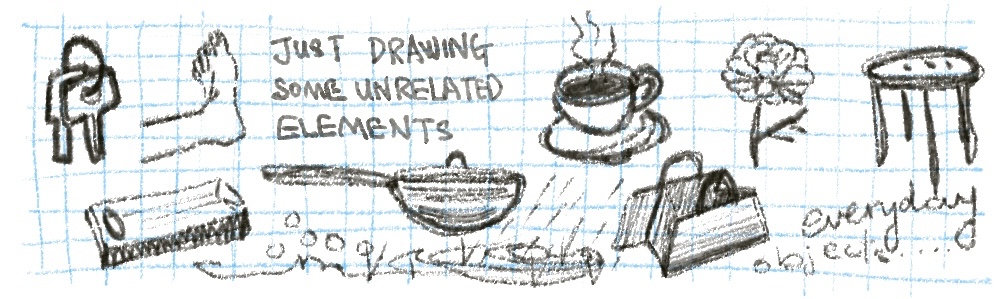
Does every drawing need a deeper meaning? There are many answers to that, but for me, sometimes I draw just for the pure enjoyment of it. No rules, no purpose—just fun.
And sometimes, that pure enjoyment naturally leads to a completed picture. In a way, that’s the outcome itself—and that, to me, is enough.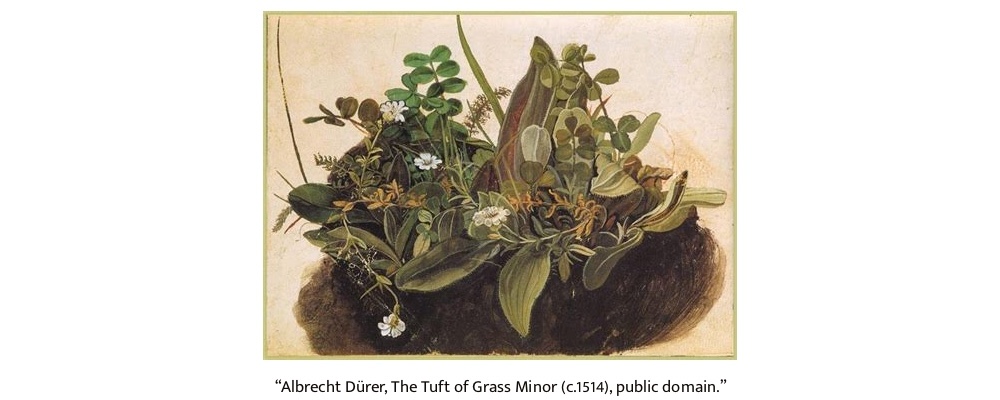
What about artists from ancient times? Did they combine observations from their surroundings? Maybe not for fun or stress relief like I do, but often for creating meaningful compositions.
Take Albrecht Dürer (late 1400s–1500s), for example. His sketchbooks often combined studies of nature—plants, animals—with people and decorative motifs. He would pull “elements from his surroundings” into a single drawing as a study.
In some of his works, he even combines different plants or species in one piece, making them a great model for anyone looking to combine natural elements thoughtfully in a composition.
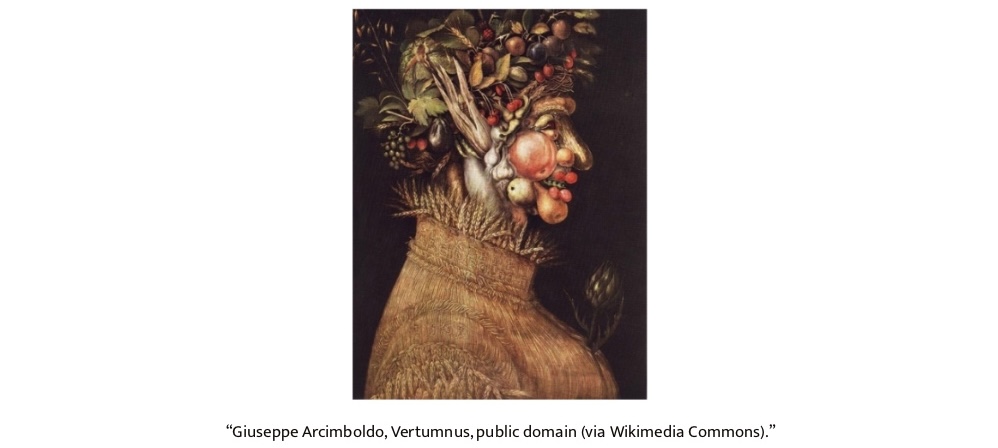
What about combining completely different elements into a totally unrelated theme? Giuseppe Arcimboldo (1500s) provides a striking example. His Portrait of Emperor Rudolf II is made entirely from fruits, vegetables, and flowers.
This allegorical, composite approach shows incredible creativity—he took familiar farm elements and transformed them into something totally unrelated: a human face. It’s a fascinating model for thinking about how everyday objects can be reimagined in unexpected ways.

I shall share until here today. If you like what I do, you can support me by buying me a coffee to keep my art journey going. I also welcome you to check out my video of how I combine unrelated elements into a completed composition during a sketch out session at Queenstown, Singapore.
Thank you!
Beamy.
Thanks for reading until here!