

Accompanying and preparing the designers before presenting in Europe.
Every year, each Fashion Week attracts a large number of fashion industry professionals and fashion enthusiasts. All over the city, catwalks and showrooms are organized, offering designers the opportunity to present their collections. However, a single presentation does not guarantee either the success of a collection or the visibility that brands would like to have.
Before presenting a collection in a market as demanding as the Parisian one, a previous preparation is required that goes beyond paying a company to participate in a catwalk or showroom.
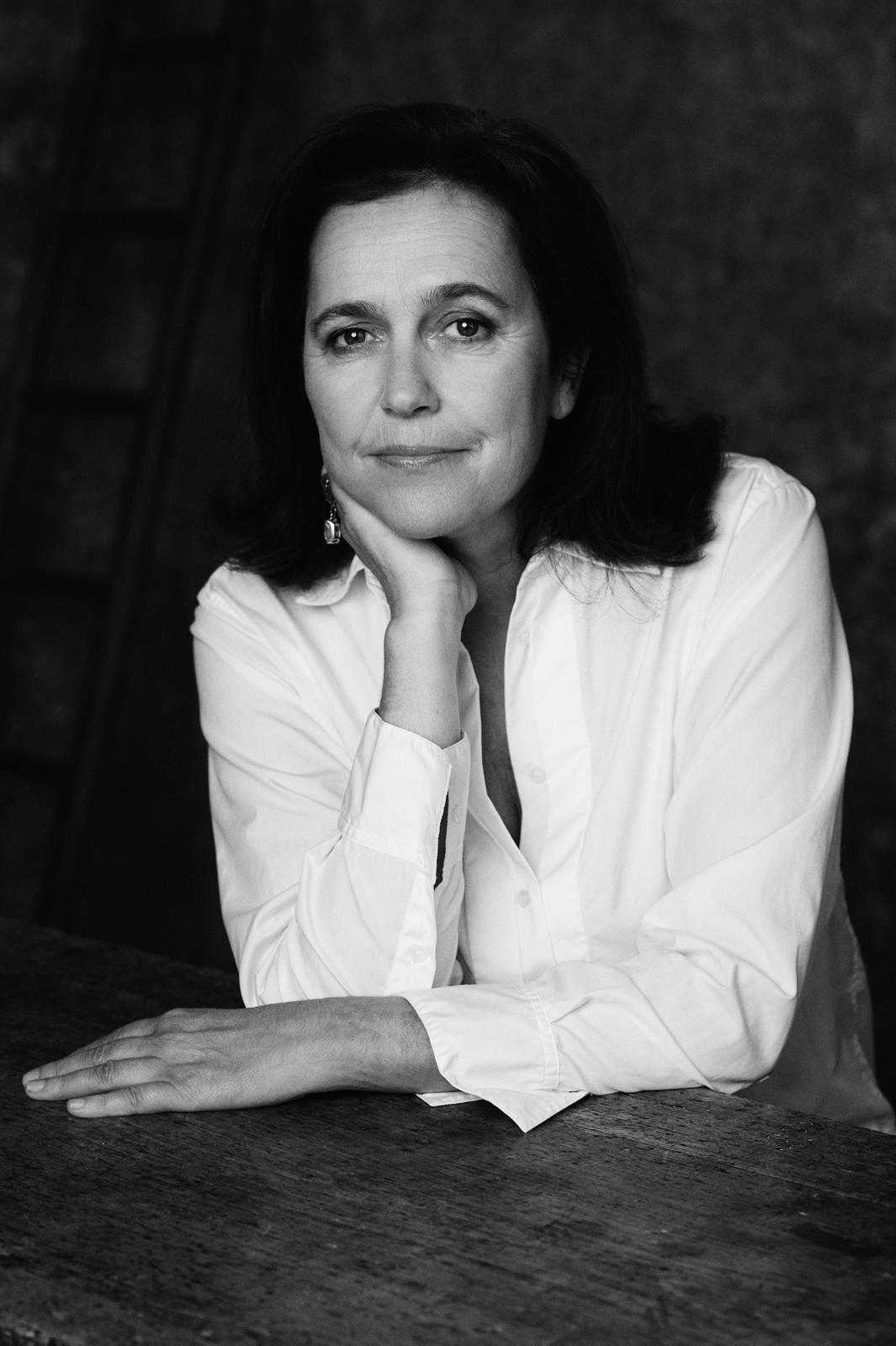
As a way to shed some light on what is required to enter the global north market with the right foot, I approached Patricia Lerat, an expert fashion and European market consultant
With more than 20 years of experience in the fashion industry, Lerat directed for 12 years the Salon Première Classe (a trade show dedicated to accessories and ready-to-wear). In 2012, she created the first fashion incubator called Designers Apartment, currently known as Sphère.
What are the characteristics of the talents you work with?
“All the profiles I work with are quite atypical, but for me it’s important that the collection has a sense, a style and a stylistic direction that allows me to guide the creator to find a balance, in order to position themselves in the market.
Usually, when they ask me, I look at the work they have done on Instagram. I ask them for their lookbooks and we arrange an interview of about an hour, in order to get to know the personality of the creator (...) I need to connect with the person. That's something essential for me.”
Nowadays, in the fashion industry it is said that the DNA of a brand is almost as important as the product itself... Is it so?
“That's right. The idea is not to create a product just for the sake of creating, because for me, everything has been created.
Buyers are looking for a well-made product, but they are also looking for it to tell a story, they want to know the creator. That’s why designers need to know very well who they are.
Generally, there are things that I will pick up from their personal history, their values, their personality, and that have a huge impact on their collections and their style. It's very important to differentiate yourself from the others.”
How should a foreign brand that wishes to present its collections on the European market prepare itself?
“They must meet with the right people, so they can tell them if their collections are in line with the product (...) Sometimes there are designers who come with very stereotyped collections, so you have to find a balance between the DNA of the brand and the DNA of the local culture. Because of this, a previous analysis is required.
The important thing is to have a product with a collection construction. First there is the history of know-how, then comes the construction of the collection. Then we have the price. It’s important to prepare a salon/showroom and who the are buyers (it is important to identify them beforehand).
My role is to accompany, identify and prepare the designers before they come” (to Paris).
Today, there are many agencies that propose showrooms to foreign brands to present their collections in Paris. Are these really the spaces that open doors to other markets?
“Showrooms sell square meters at very high prices. Everyone wants to be in Paris. Everyone wants to be in a show that lasts three days and costs a lot of money. But to come, present and leave is not the idea. It's impossible to develop a brand like that. It is not the reality.
I can tell you this as an expert, because I have been working in this field for many years”.
So what elements should foreign designers must take into account to present their collections in one of the showrooms and catwalks organized during the Fashion Week?
“Every showroom and catwalk should put them in contact with buyers. That's where creators fail because they are not prepared for it due to lack of time.
Before the showroom, I prepare the creators. I do meetings about the collection, positioning, storytelling, pricing and I do the communication with the previously identified buyers. It is important that they understand the market and learn how to negotiate.
Otherwise, a lot of money is spent without achieving the expected results. Currently, there is a lot of competition. We know that we have 17,000 brands during Fashion Week. So, if they are not prepared, it is an investment that is lost... In any case, it takes time to attract buyers. You have to understand that you need one or two seasons, because if you don't continue to show the work to buyers, what's the point?”
When I attended Tranoï (one of the most important fashion shows in Paris) last June, I noticed that there were brands that were asked if they had a showroom in Paris, and of course, those coming from abroad did not have that possibility. Of course, those brands coming from abroad did not have that possibility. Is it a must?“It is not indispensable, but it is important to be organized when coming for several days. It is not only important to come for three days, that's for sure. You have to anticipate, think everything very well before coming (...)
When there are talents coming from abroad, there are always a handful that manage to emerge, but I think there could be many more if they were prepared before coming. We need creation and innovation because that is what will allow industries to develop (...) And if we don't help them, what will we do?”
Considering that most of the buyers who visit the showrooms are Asian, what kind of products are they looking for?
“French creators, as well as European creators in general, propose very original and avant-garde fashion; very much linked to streetwear, non-gender, etc. And in general, Asians are looking for this kind of collection, which is good for us.
At the moment, the Chinese are buying a lot of what is “made in France”. On the other hand, the Japanese are looking for fashion that makes sense.
They (the Japanese) have always been inclined to avant-garde and “made in France” brands, but they are also receptive to what comes from outside, as long as there is local know-how with values and respect for people. This is something we are seeing more and more every day. It is subtle, but I see it”.
How do you see the future of the fashion industry?
“We are in the midst of developing artificial intelligence, but everyone will continue to dress. I think we will move more and more towards the unique piece and limited editions.”
Patricia Lerat is currently a consultant to the French Federation of Haute Couture and Fashion in Paris and has vast experience in launching new talent into the European fashion market, including Jeanne Friot, Y-Project, Clara Daguin and Egonlab, to name a few of the most current.
She has also mentored Latin American designers, such as Octavio Pizarro (Chile) who is developing his eponymous brand in Paris and María Abdala Solezzi (Argentina) with her brand Maydi.