

Autumn is a great time for running, with fresh air and cool weather adding new sensations to your runs. However, as mornings get colder, the risk of colds increases. In this article, we'll look at how to properly prepare for running in the fall, strengthen your immune system, and what to do if you happen to get sick.
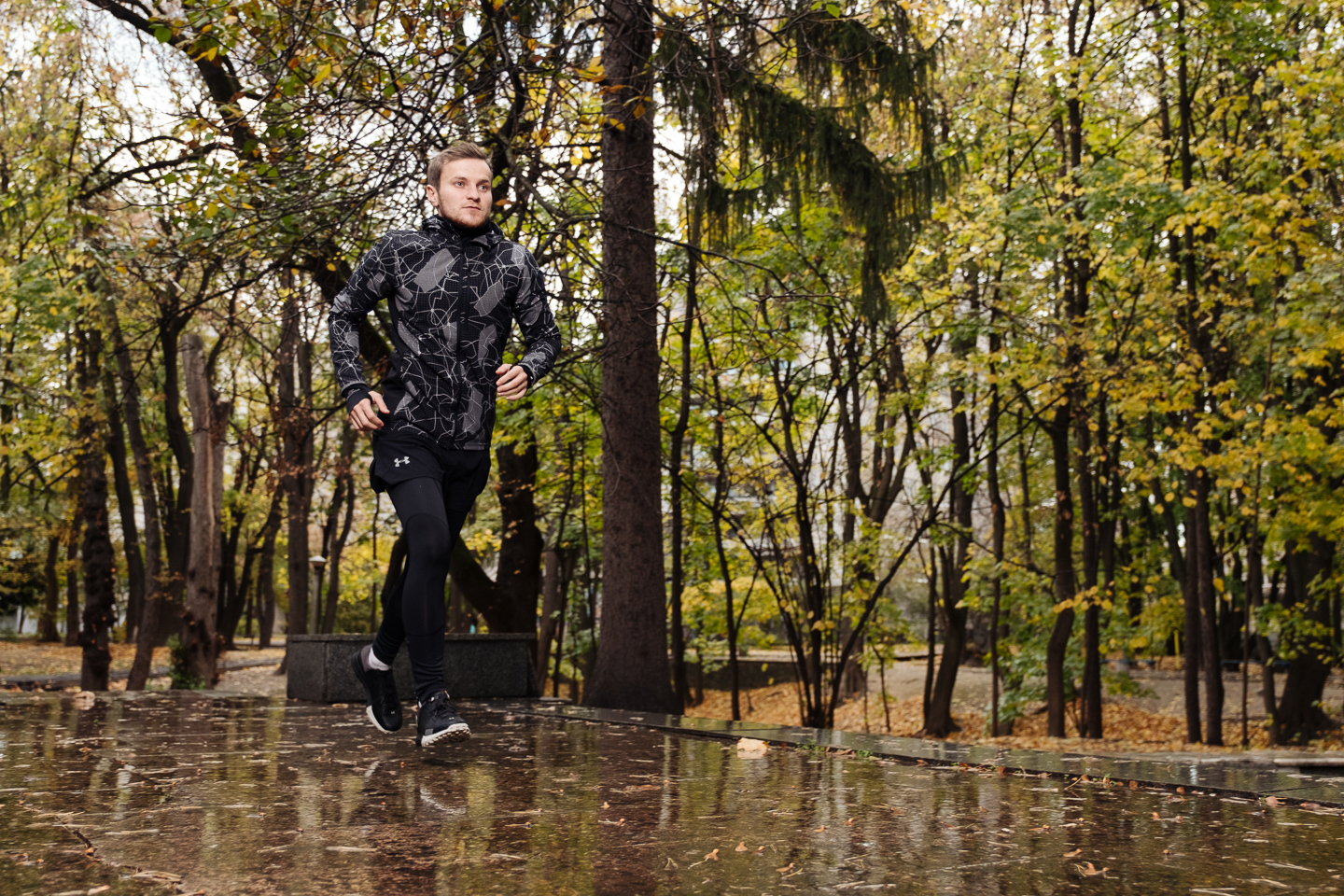
1. Dress According to the Weather
When morning temperatures are around +10...+15°C (50-59°F), avoid over-layering. The best option is light athletic clothing: a long-sleeve t-shirt or a thin sweatshirt, and light running pants or shorts. You may want to add a thin windbreaker if it's windy, but avoid overheating, as your body will warm up quickly while running. Your clothing should protect you from the wind but still allow your body to breathe.
2. Warm Up Before Running
Before heading outside, do a short warm-up at home or indoors. This will prepare your muscles for the run and help avoid getting cold during the first few minutes of your workout. A 5-7 minute dynamic stretch or light warm-up exercises are enough.
3. Proper Breathing
The optimal breathing technique for autumn runs is to inhale through the nose and exhale through the mouth. Inhaling through the nose warms and moistens the air before it reaches your lungs, while exhaling through the mouth makes it easier to release carbon dioxide. This not only protects your airways from drying out but also helps avoid throat irritation.
4. Protect Your Throat and Neck
If the wind is strong or the air becomes colder, it's helpful to wear a light neck gaiter or scarf. These will protect your neck and throat from the cold, especially if you are prone to throat discomfort. A neck gaiter is also convenient because you can easily adjust it during the run depending on changing weather conditions.
5. Strengthening Your Body
To adapt to colder weather, gradually expose your body to temperature changes. Strengthening your immune system through gradual cold exposure can reduce the risk of getting sick. This could include regular outdoor walks, contrast showers, or even cold rubdowns. The key is to make the changes gradually and consistently without shocking your body.
6. What to Do If You Get Sick?
If you happen to get sick, as I did (with a sore throat and a temperature of 39°C), it's best to pause your training. When your body is fighting an infection, additional physical strain can worsen the condition and prolong your illness.
If you have a mild cold without a fever and feel okay, you can continue exercising but only at low intensity. Follow the "above the neck" rule: if your symptoms are limited to a runny nose or mild throat discomfort, you might be able to go for a light run. However, if you have a fever or cough, it’s better to avoid running.
7. Hydration and Recovery
Cool autumn weather doesn't mean you can ignore hydration. Your body still loses moisture during running, so it's important to drink enough fluids before and after your workout. Warm herbal tea or water is a great choice to maintain hydration and support your immune system.
8. Returning to Running After Illness
After being sick, your body needs time to recover. Start with light runs, carefully monitor how you feel, and don't rush back to your previous level of intensity. Full recovery after an illness can take up to two weeks, so it's essential to take your time.
Conclusion: Autumn is a fantastic season for running, but it’s important to follow a few basic rules to avoid catching a cold: dress appropriately, breathe correctly, and listen to your body. Strengthening your body through gradual cold exposure will help you adjust to the colder weather, and paying attention to your health will keep you running strong.
I wish all runners good health and enjoyable runs, and for those who are already sick, a speedy recovery!