
The Month of Choiak (Dec 10 – Jan 8)
Choiak (Khoiak) is the fourth month of the Egyptian calendar, characterized by the receding of Nile floodwaters and the preparation of fields for sowing. It is primarily defined by the Khoiak Festival, or the Mysteries of Osiris.
Corn Mummies: Priests created “Osiris beds”—small, mummy-shaped molds filled with earth and seeds (barley or wheat). The sprouting of these seeds symbolized Osiris’s body regenerating and the return of fertility to the land.
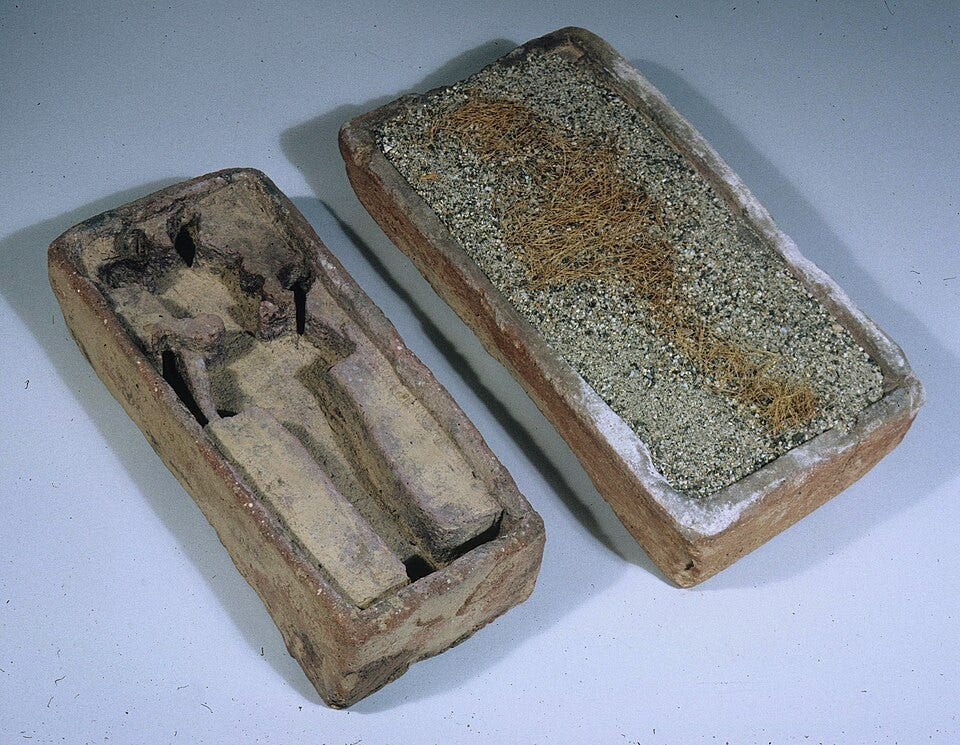
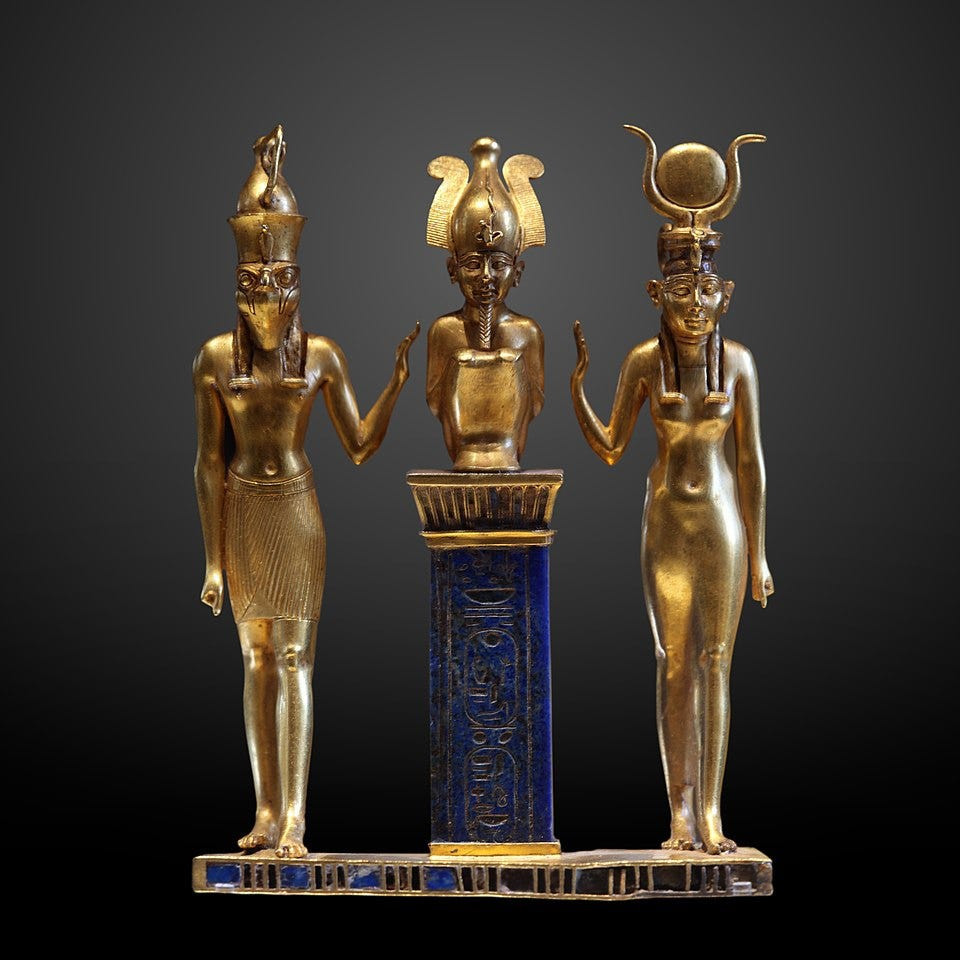
The Passion of Osiris: Rituals reenacted the goddess Isis’s search for Osiris’s body and its magical reconstitution. A month-long liturgical drama commemorating the death, dismemberment, and resurrection of Osiris.
Sokar Rituals and the “Festival of Sokar”
Held on the 26th of Choiak (roughly December 27 in 2025), the Festival of Sokar was a pivotal event within the larger Osirian mysteries. Sokar was the falcon-headed god of the Memphite necropolis and a guardian of the underworld.
The Henu Barque Procession: A central ritual involved carrying a statue of Sokar on the Henu Barque—a sacred boat with a high prow shaped like an oryx. This circumambulation of temple walls symbolized the solar path and the protection of the deceased.
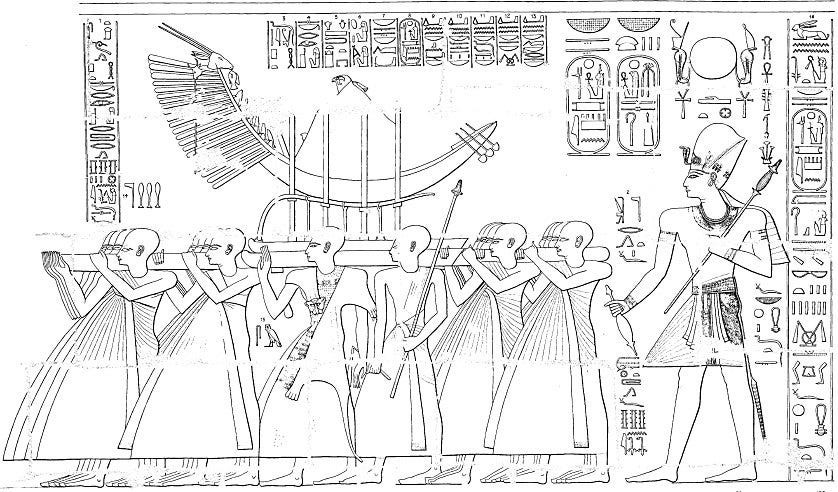
The Feast of Onions: Worshippers wore necklaces made of five onions, which were associated with the “Opening of the Mouth” ceremony to revive the senses of the dead.
Hacking the Earth (Khebes-Ta): This ritual involved symbolic plowing of the soil to “release” the life forces of Osiris buried within the earth, with Sokar acting as the mediator between the dead soil and new life
Connection to the Underworld (Duat) and Rostau
Rostau (or Rose-Tao) was originally the ancient name for the Giza Plateau and its surrounding necropolis. Mouth of the Passages: The name Rostau literally translates to “Mouth of the Passages,” referring to the entrance of the subterranean underworld, the Duat. Lord of Rostau: Before his synchronization with Osiris, Sokar was known as the “Lord of Rostau” and “Lord of the Secret Places,” the primary deity guarding the entrance to the realm of the dead.
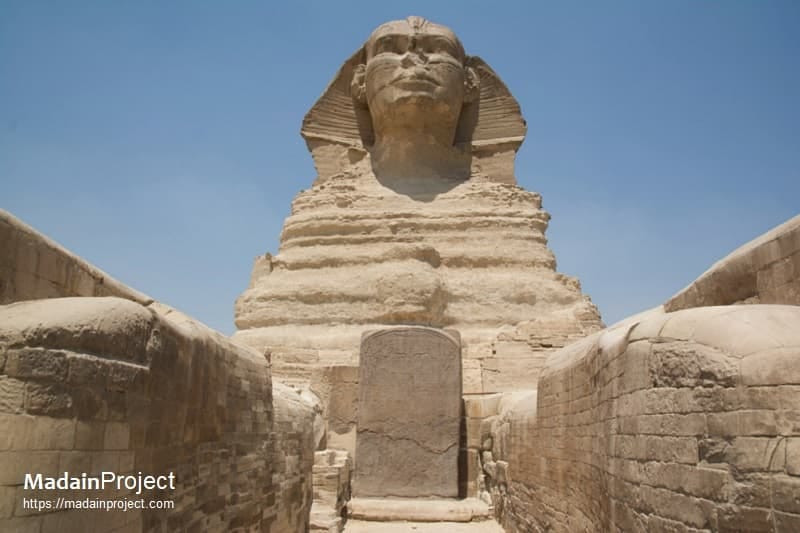
Great Sphinx of Giza Tunnels and Chambers
https://madainproject.com/sphinx_tunnels_chambers
In esoteric traditions and modern mystical lore, the initiation at the Sphinx is described as a symbolic death and rebirth where the candidate enters the Duat (the underworld) to achieve spiritual illumination. This narrative is frequently popularized by authors like Manly P. Hall and various Rosicrucian or Masonic-themed groups.
The Entrance and the Secret Mechanism
Legend describes a hidden entrance located between the paws or beneath the ear of the Sphinx. Initiation myths often claim that a massive stone door or “portcullis” would only open when a specific vocal vibration or sacred chant was performed by a high priest. This “sonic key” was believed to resonate at a frequency that triggered ancient mechanical or spiritual locks. This entrance is said to lead to the legendary “Hall of Records,” a subterranean library containing the lost wisdom of Atlantis or the origins of humanity.
The journey through the Sphinx represents a descent into the Duat, the realm of the dead and the subconscious.
Rebirth: By entering the dark subterranean passages, the initiate symbolically dies to their old self.
The Sarcophagus: Some accounts describe the initiate being placed in a stone sarcophagus—often within the Great Pyramid, which the Sphinx allegedly guards—to undergo a “living death” before emerging as a transformed, enlightened being.
Sokar and Rostau: This ritual aligns with the worship of Sokar, the “Lord of Rostau” (the Giza plateau), who guarded the mouth of the underworld passages
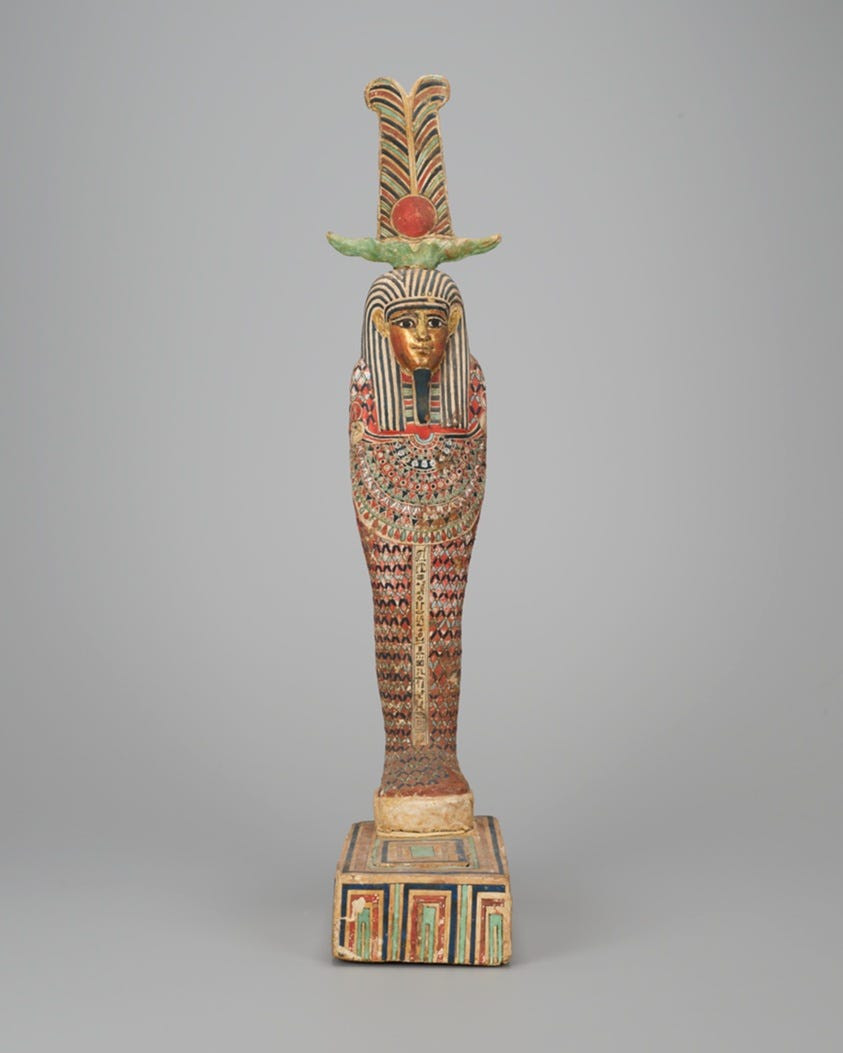
The Triad: By the Late Period, these concepts merged into the composite deity Ptah-Sokar-Osiris, representing the complete cycle of creation (Ptah), death/the underworld (Sokar), and resurrection (Osiris)
The month concluded on the 30th of Choiak with the Raising of the Djed Pillar, a ceremony signifying the final stability and resurrection of Osiris