

For a long time, many believed that advanced civilization in the Americas began much later with cultures like the Maya, Olmecs, or Inca.
But one ancient civilization — far older than all of them — tells a completely different story.
More than 5,000 years ago, this civilization built massive cities with advanced architecture, remarkable engineering, sophisticated water management systems, skilled craftsmanship, and even musical instruments.
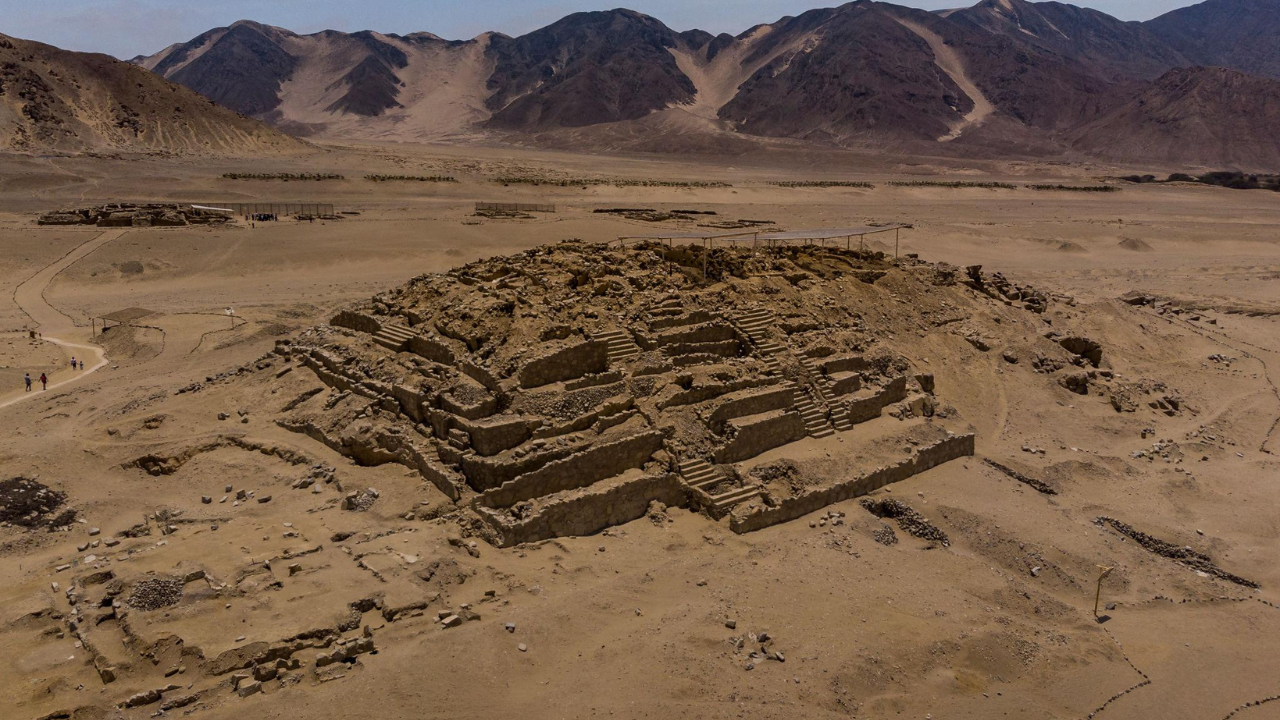
Among its many ancient settlements stood one of the most extraordinary civilizations of its time — the Caral–Supe civilization, the oldest known civilization in the Americas.
The Oldest Advanced Civilization of the Americas
The Caral–Supe civilization flourished from around 3000 BCE to 1900 BCE in present-day Peru.
It was a highly organized and advanced civilization, with its most important urban center being Caral.
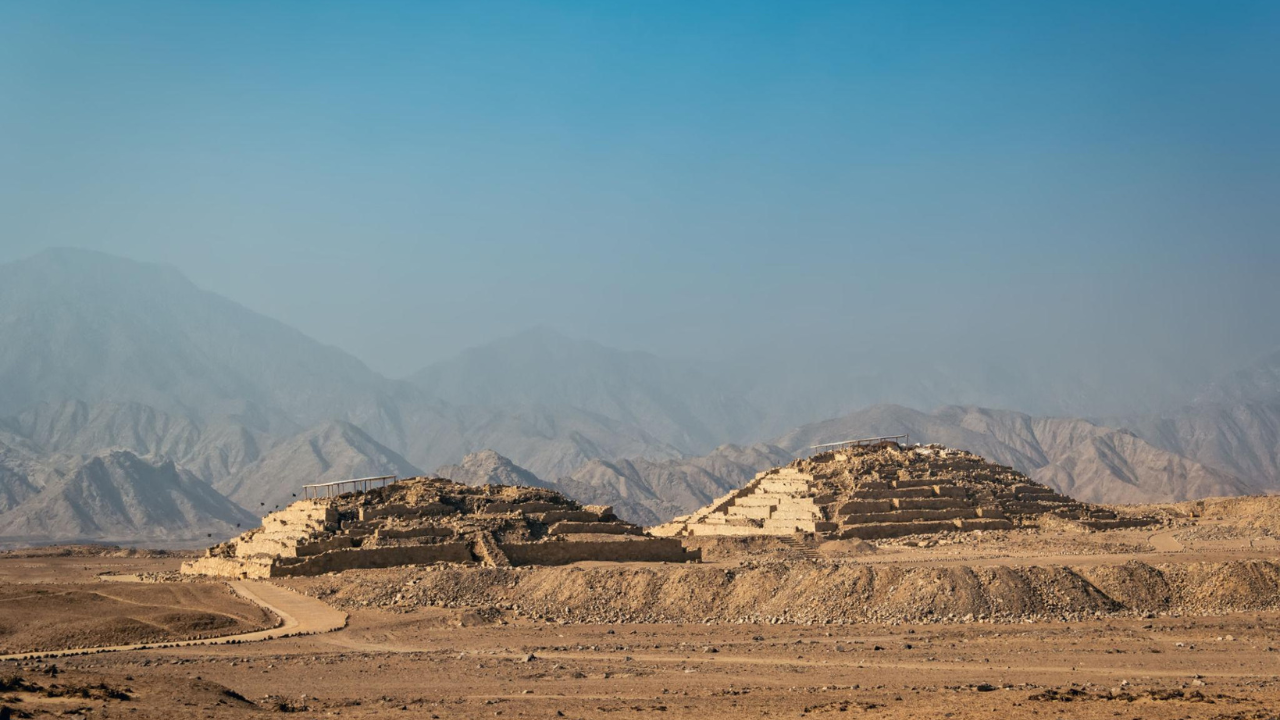
One of the most fascinating features of this civilization is its pyramids.
Archaeologists have identified at least six major pyramid structures along with smaller ceremonial platforms and public buildings.
The largest among them is known as the Great Pyramid of Caral.
Unlike the pyramids of Egypt, which according to mainstream archaeology were mainly used as tombs, the pyramids of Caral were primarily ceremonial centers.
They served as places for rituals, gatherings, music, and important social ceremonies.
But the achievements of Caral–Supe went far beyond pyramids.
They developed advanced irrigation systems for farming in the dry coastal region of Peru.
Using water from the Supe Valley River, they built canals that supported agriculture and helped sustain large urban populations.
They cultivated crops such as cotton, beans, squash, sweet potatoes, and fruits.
Archaeologists also discovered musical instruments, including bone flutes made from pelican and condor bones, along with evidence of textile weaving and skilled craftsmanship.
One of the most remarkable aspects of this civilization is that there is almost no strong evidence of warfare. Unlike many ancient civilizations, archaeologists found very few military weapons or defensive structures at Caral.
Because of this, many researchers believe the civilization focused more on trade, religion, social organization, and cooperation rather than conquest and war. Current archaeological findings suggest that Caral–Supe may have been one of the most peaceful early civilizations in the ancient world.
The Decline of Caral
The Caral–Supe civilization gradually declined around 1900 BCE.
According to archaeologists, one of the major reasons for its decline was prolonged drought. Many researchers connect this to the famous 4.2-kiloyear climate event, a massive period of climatic instability that affected civilizations across different parts of the world.
The people of Caral heavily depended on the Supe Valley River for agriculture and daily life. But as droughts continued, river flow weakened, agriculture suffered, and food production declined.
As farming weakened, trade networks also started collapsing. Over time, many people slowly migrated to other regions in search of better living conditions.
So the civilization did not suddenly disappear. Instead, its cities were gradually abandoned by their inhabitants.
Many researchers believe that later Andean cultures inherited parts of the knowledge, traditions, and social structures developed by the people of Caral.
So, after flourishing for nearly a thousand years, the Caral–Supe civilization faded away — but it left behind monumental architecture, engineering knowledge, and one of the earliest examples of advanced urban civilization in the Americas.
Thank you for reading ❤
Stay Curious
Ancient Explain