

Reframing the 4000 Weeks Perspective
It’s undeniably true that if you’re not wealthy enough to outsource life’s mundane tasks, no amount of wishful thinking will make food magically appear on your table, or your laundry fold itself neatly into place. For those without privilege, a relentless list of responsibilities remains, demanding time and energy. These tasks, often devoid of intrinsic meaning, consume your most finite resource—time—leaving you with precious little to pursue self-improvement or meaningful goals.
The reality is stark: unless you actively work to reclaim your time, you risk being trapped in an endless cycle of survival, devoid of fulfillment. This loop is not just tedious; it’s devoid of purpose. Let’s face it—no one finds profound meaning in doing laundry; it’s simply a necessity for clean clothes. Responsibilities like these can’t be ignored, and you can’t justify neglecting them—even in the pursuit of a higher purpose. Feeding your children, for instance, will always take precedence over pursuing your dream of becoming a painter.
In Defense of “Four Thousand Weeks” If the above feels harsh, it’s worth clarifying that this critique is not a dismissal of Four Thousand Weeks. Oliver Burkeman brilliantly articulates the existential struggle we all face: the limited time we have and the urgency to use it wisely. His insights are invaluable, and I wholeheartedly recommend reading the book. Burkeman’s analysis of our finite existence is compelling and necessary.
The subtle defeatism in this approach raises concerns, as it risks amplifying the despair of those already burdened by life's challenges, leaving them to believe that mastery over time is an impossible goal and that their days will be confined to mere survival. For those individuals—and everyone else—an alternative perspective is worth considering.
Reframing Productivity as a Tool for Purpose Productivity is not an end in itself but a means to an end. It’s the mechanism through which we minimize the time and energy consumed by unavoidable tasks, enabling us to carve out moments for what truly matters.
The goal is to become so proficient at handling life’s necessities that you gradually free up the time and mental space required to build something meaningful. Over time—and with a bit of luck—you can reach “escape velocity,” where the time reclaimed from mundane tasks allows you to automate, delegate, or eliminate them.
This approach may lack the mindfulness and detachment championed by Burkeman, but it empowers you to take control of your circumstances. It offers hope: the possibility of dedicating time to what matters, regardless of privilege or constraints. This philosophy—being a Stoic Optimizer—centers on reclaiming agency, even amidst the chaos of modern life.
Of course, there’s no magic formula to solve the human condition, and I doubt Burkeman would claim his conclusions are universally applicable.
But the practicality of seeking efficiency, despite its lack of radicalism, remains a powerful tool. While “abandon all productivity hacks” may make for better headlines, striving for efficiency is more actionable and, ultimately, more liberating.
With that in mind, here are five actionable strategies inspired by Four Thousand Weeks that can help you maximize your time and align your life with your purpose.
5 Actionable Tips to Reclaim Your Time and Focus on Purpose
Embrace the Season of Life You’re In
Accept that some goals may be aspirational for now. Be realistic about which goals to prioritize based on your current life stage. This doesn’t mean giving up on long-term ambitions; it means temporarily setting them aside without guilt to focus on what’s feasible today.

Master the Art of Saying “No”
When confronted with requests that don’t align with your priorities, imagine you have only a week left to live. Would this task cut? If not, decline politely. Similarly, respect others when they prioritize their time, and recognize the value in their decisions.

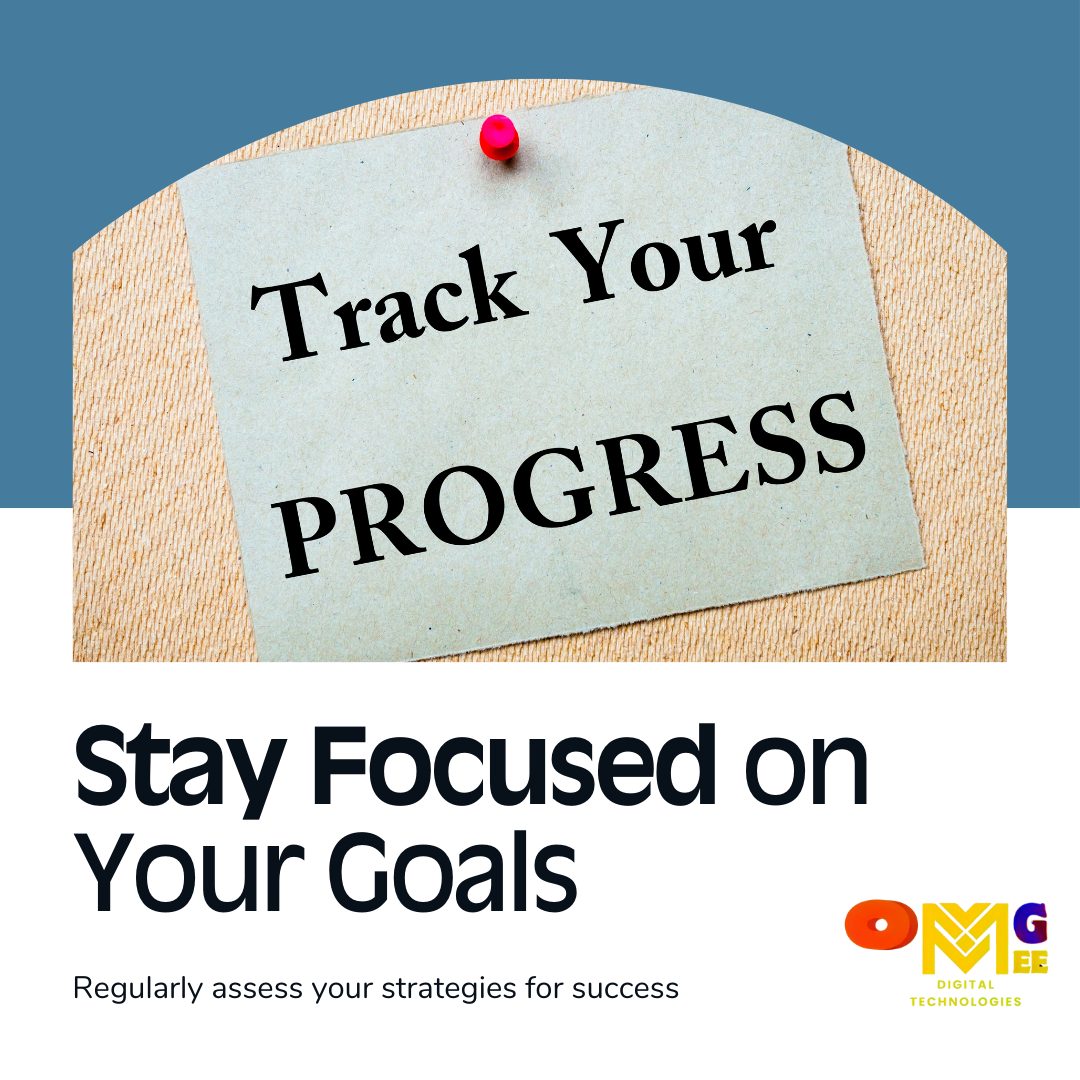
Track Your Progress Regularly
Even meaningful pursuits can waste time if approached inefficiently. Regularly evaluate whether your strategies are delivering results. If they’re not, pivot quickly—time is too precious to spend on approaches that aren’t working.
Rank Your Goals to Handle Life’s Chaos
Life is unpredictable, so create a hierarchy of your goals. Identify non-negotiables and “nice-to-haves.” When life throws curveballs, this ranking will guide you in prioritizing what matters most, ensuring you remain aligned with your broader purpose.

Evaluate Opportunities Through the Lens of Your Life Plan
Every new opportunity demands scrutiny. Ask yourself: Does this move me closer to my goals, or is it a distraction? While it’s okay to experiment and take detours, ensure they align with your intentions rather than being driven by societal pressures or superficial comparisons.

In Closing
The goal is not perfection but progress. Every small step you take toward reclaiming your time and aligning it with your purpose brings you closer to a life of meaning and fulfillment. Burkeman’s Four Thousand Weeks is a thought-provoking guide to understanding our finite time. Read it, reflect on it, and then decide how best to apply its lessons to your unique circumstances.
What’s your take? Do you align with Burkeman’s perspective, or do you see value in rethinking productivity as a tool for purpose? Let me know—I’d love to hear your thoughts!