
Introduction: Christmas—God Stepped Into History
Christmas is far more than a celebration of a birth; it is the proclamation that God has entered human history. The incarnation is not poetry or legend—it is divine action. In Luke 1:31–33, the angel Gabriel announces to Mary the heart of the gospel: God’s eternal plan to save sinners through His Son.
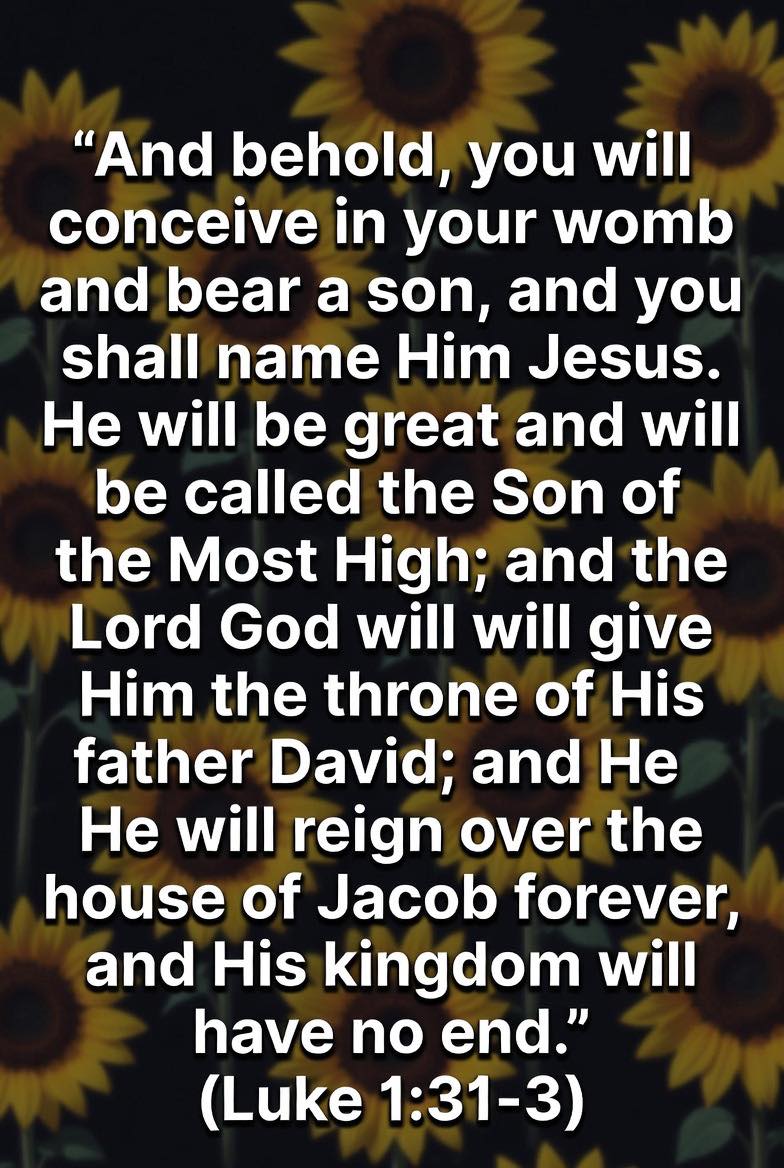
“And behold, you will conceive in your womb and bear a son, and you shall call His name Jesus. He will be great and will be called the Son of the Most High. And the Lord God will give to Him the throne of His father David, and He will reign over the house of Jacob forever, and of His kingdom there will be no end.” (Luke 1:31–33)
In these words we discover who Jesus is, why He was born, and what His coming means for the world.
I. Old Testament Hope: God’s Promise of Salvation
From the opening pages of Scripture, God reveals His intention to redeem fallen humanity.
1. The First Gospel Promise
After sin entered the world, God spoke hope:
“I will put enmity between you and the woman… He shall bruise your head.” (Genesis 3:15)
This promise foretold a Deliverer born of a woman, one who would defeat Satan and reverse the curse of sin.
2. The Promise of a King
God promised David:
“Your throne shall be established forever.” (2 Samuel 7:12–16)
Israel awaited a righteous King who would rule in justice, bring peace, and restore God’s people.
3. The Promise of a Child
The prophets spoke clearly:
“Behold, the virgin shall conceive and bear a son.” (Isaiah 7:14)
“To us a child is born… Mighty God, Everlasting Father.” (Isaiah 9:6)
“From Bethlehem shall come forth a ruler.” (Micah 5:2)
Christmas is the fulfillment of centuries of divine promise.
II. Luke 1:31 – The Son Who Saves
“You shall call His name Jesus.”
The name Jesus means “The Lord saves.” His mission is announced before His birth.
“You shall call His name Jesus, for He will save His people from their sins.” (Matthew 1:21)
Why Did God Become Man?
Because humanity needed a Savior who could truly represent us.
Sin entered through a man (Romans 5:12)
Redemption would come through a man—the God-Man (Romans 5:19)
“The Word became flesh and dwelt among us.” (John 1:14)
God did not send an angel.
God did not merely send a message.
God came Himself.
III. Luke 1:32 – The Son of the Most High
“He will be great and will be called the Son of the Most High.”
Jesus is not merely a great teacher or prophet—He is the eternal Son of God.
“In Him the whole fullness of deity dwells bodily.” (Colossians 2:9)
Why Was Jesus Born of Mary?
Mary’s womb reveals a profound mystery:
True Humanity
“Born of a woman, born under the law.” (Galatians 4:4)
Jesus fully entered our human condition—body, emotions, weakness—yet without sin (Hebrews 4:15).
True Divinity
Conceived by the Holy Spirit (Luke 1:35), Jesus is God with us (Matthew 1:23).
Mary did not give birth to a mere man; she bore the Son of the Most High.
IV. Luke 1:32–33 – The Eternal King
“The Lord God will give to Him the throne of His father David.”
Jesus fulfills the Davidic covenant. He is the promised King whose reign will never end.
“Of His kingdom there will be no end.”
Earthly kingdoms rise and fall, but Christ’s kingdom is eternal.
“Your throne, O God, is forever and ever.” (Hebrews 1:8)
This King would not rule by force but by love, sacrifice, and truth.
V. Why Did God Send His Only Son?
1. To Reveal God’s Love
“For God so loved the world that He gave His only Son.” (John 3:16)
The manger is the first visible expression of God’s saving love.
2. To Redeem Sinners
“Christ Jesus came into the world to save sinners.” (1 Timothy 1:15)
Jesus was born to die.
Born to obey
Born to suffer
Born to redeem
“Without the shedding of blood there is no forgiveness of sins.” (Hebrews 9:22)
God became man because only a sinless human could die for sinful humans, and only God could bear the weight of divine judgment.
VI. The Cross Hidden in the Cradle
Christmas cannot be separated from Calvary.
The wood of the manger points to the wood of the cross
The child wrapped in cloths would be wrapped in burial linen
The Savior born in humility would die in shame
“He humbled Himself… even to death on a cross.” (Philippians 2:8)
Yet death could not hold Him.
“God raised Him from the dead.” (Acts 2:24)
VII. How the World Can Receive This Savior
1. Through Repentance
“Repent therefore, and turn back.” (Acts 3:19)
To receive Christ, the heart must turn from sin.
2. Through Faith
“Believe in the Lord Jesus, and you will be saved.” (Acts 16:31)
Salvation is not earned—it is received.
3. By Welcoming Him Personally
“To all who received Him… He gave the right to become children of God.” (John 1:12)
Jesus must move from history into the heart.
VIII. Practical Application for Christ Followers
1. Live Under Christ’s Kingship
If Jesus reigns forever, then He must reign in our lives today.
“Seek first the kingdom of God.” (Matthew 6:33)
2. Walk in Humility
The Son of God entered the world through a humble virgin.
“Clothe yourselves with humility.” (1 Peter 5:5)
3. Shine the Light of Christ
“Let your light shine before others.” (Matthew 5:16)
Christmas is not only a celebration—it is a commission.
4. Love as the Redeemed
“As I have loved you, so you must love one another.” (John 13:34)
Conclusion: The Eternal King Has Come
Luke 1:31–33 declares that God’s promise has been fulfilled.
The Savior has come
The Son has been given
The King reigns forever
The question of Christmas is not whether Jesus was born—but whether He is welcomed.
“Today, a Savior has been born to you.” (Luke 2:11)
May this Christmas be more than tradition.
May it be transformation.
May the eternal King reign in our hearts.
Amen.