

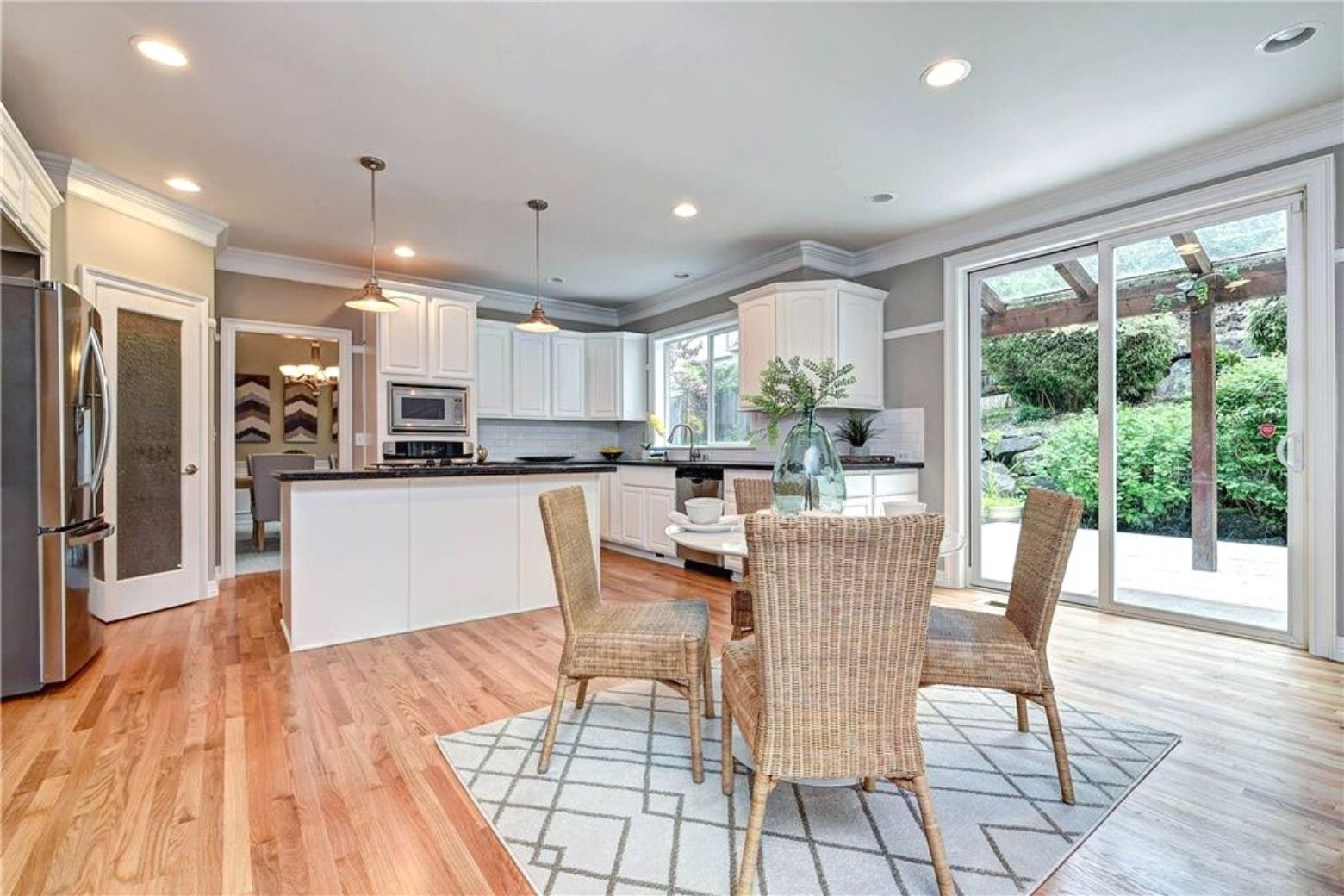
Selling a home often sounds simple from the outside: clean the house, take photos, list it online, and wait for buyers. In reality, many homeowners discover that preparing a property for the market takes more planning than expected.
A home may be in a good location and still feel dated. It may have strong potential but show signs of wear. A kitchen might look older than buyers expect. A bathroom may need a refresh. Flooring, paint, lighting, trim, or curb appeal can quietly affect how people feel during a showing.
That is why pre-listing renovations are becoming a serious topic for sellers, especially in competitive housing markets like Seattle. The challenge is that many homeowners do not want to spend thousands of dollars before they sell. They may be planning a move, managing closing costs, or waiting for the sale proceeds before they have access to extra cash.
This is where no-upfront-cost renovation options are getting more attention.
Why Sellers Think About Renovations Before Listing
Before a home goes on the market, sellers usually want it to make the best possible first impression. Buyers often begin judging a property before they ever visit in person. Photos, videos, online listings, and virtual tours can influence whether someone schedules a showing at all.
Small details can matter. Old paint colors, damaged flooring, outdated bathrooms, worn cabinets, poor lighting, or unfinished repairs may make buyers feel the home needs more work than it actually does.
For sellers, that can create a difficult decision. Should they list the home as-is and hope buyers look past the problems? Or should they complete targeted improvements before listing?
In many cases, the best answer is not a full remodel. It is a focused plan that updates the areas buyers notice most.
The Problem With Paying for Updates Upfront
Even when sellers understand that improvements may help, paying for the work upfront can be difficult. A homeowner may know the bathroom needs updating or the floors need repair, but they may not want to use savings right before moving.
This is especially common when the seller expects to have more financial flexibility after the home sells. Until then, every repair or upgrade feels like another expense before the closing date.
That is one reason homeowners are researching options like pay at closing home renovations Seattle. The idea is simple: complete important pre-sale improvements before listing, then handle payment at closing instead of before the work begins.
For some sellers, this type of structure can make preparation easier. It allows them to improve the home’s presentation without immediately taking money out of pocket.
What “No Upfront Cost” Renovations Usually Mean
No-upfront-cost renovation programs are not the same as free remodeling. The work still has a cost. The difference is when the payment is made.
In many cases, payment is arranged to happen after the home sells, often through closing proceeds. This can be helpful for sellers who want to prepare the property properly but do not want to delay listing while trying to fund the improvements.
The goal is usually not to over-renovate. It is to identify practical updates that may help the home show better, photograph better, and feel more move-in ready.
These programs can be especially useful when sellers have equity in the home but limited cash available before closing.
Which Home Improvements Matter Most Before Selling
Not every improvement is worth doing before listing. Some upgrades may be too personal, too expensive, or unnecessary for the target buyer. The most useful pre-listing renovations are often the ones that make the home feel cleaner, brighter, newer, and easier to imagine living in.
Common pre-sale updates may include:
Interior painting in neutral, buyer-friendly colors
Flooring repair or replacement
Bathroom refreshes with updated fixtures, tile, or vanities
Kitchen touch-ups such as cabinet hardware, lighting, backsplash, or countertops
Lighting upgrades in darker rooms
Curb appeal improvements near the entry, siding, landscaping, or front door
Minor repairs before showings or inspection
Trim, drywall, and finish corrections
Deep cleaning and final presentation details
The best projects are usually practical. They solve visible problems, improve presentation, and help reduce buyer hesitation.
Why Seattle Homes Often Need Pre-Sale Updates
Seattle has many different types of homes, from older Craftsman houses and mid-century properties to townhomes, condos, split-level homes, and remodeled houses with older sections still intact.
Because of that variety, sellers often face different challenges. Some homes need modernized bathrooms. Others need better lighting, new flooring, exterior repairs, or a more updated kitchen. In older homes, small repairs may be needed before listing photos or buyer inspections.
Seattle buyers also tend to notice details. A home does not always need to be perfect, but it should feel cared for. When buyers see too many unfinished projects, they may assume the home needs more work than expected.
That perception can affect interest, offers, and negotiation.
When Pay-at-Closing Renovations Can Make Sense
Pay-at-closing renovation options can make sense when a seller wants to improve the home before listing but prefers not to pay upfront.
This may be helpful when the home has strong potential but needs visible updates to compete with similar listings. It can also be useful when the seller wants to move quickly but knows the home is not quite ready for photos, showings, or open houses.
However, this approach is not right for every situation. The work should be carefully planned. Sellers should understand the scope, cost, timing, and payment terms before moving forward.
A good pre-listing renovation plan should answer a few important questions:
What needs to be fixed before listing?
Which updates will buyers actually notice?
How quickly can the work be completed?
Will the improvements support the listing strategy?
How will payment be handled at closing?
Clear answers matter because pre-sale renovation is tied to timing. The goal is to prepare the home without creating delays.
Why Agents and Sellers Should Plan Together
Pre-listing improvements work best when sellers, real estate agents, and renovation professionals are aligned. The agent understands the local market and buyer expectations. The contractor understands what work is realistic, what materials are needed, and how long the project may take.
When everyone communicates early, the seller can avoid unnecessary upgrades and focus on the improvements that make the most sense.
This is especially important in a market where listing presentation matters. Professional photos can make a strong first impression, but they cannot hide every issue. A home that is clean, updated, and visually consistent often has a stronger online presence.
The Bigger Benefit: Confidence Before Listing
For many sellers, the biggest benefit of pre-listing renovations is confidence. Instead of wondering whether buyers will notice outdated finishes or unfinished repairs, sellers can address the most important issues before the home reaches the market.
This does not mean every home needs a dramatic transformation. Sometimes a fresh coat of paint, better lighting, repaired flooring, and a refreshed bathroom can completely change how a property feels.
The right improvements help buyers focus on the home’s strengths instead of its problems.
Final Thoughts
Pre-listing renovations with no upfront cost are becoming more relevant because they solve a real problem for sellers. Many homeowners want to prepare their property properly, but they do not want to spend large amounts of money before the sale.
A pay-at-closing approach can give sellers more flexibility when the home needs updates before listing. The key is to keep the plan practical, focused, and connected to the selling strategy.
For Seattle homeowners, the best pre-sale improvements are usually not about overbuilding or chasing every trend. They are about making the home feel clean, updated, comfortable, and ready for buyers.
When done correctly, small and targeted renovations can help a property make a stronger first impression before it ever hits the market.
FAQ
What are pre-listing renovations with no upfront cost?
Pre-listing renovations with no upfront cost are home improvements completed before a property is listed, with payment typically arranged to be made later, often at closing. This can help sellers prepare the home for market without paying for the work immediately upfront.
Which home improvements are worth doing before selling?
The most useful improvements are usually the ones buyers notice quickly, such as fresh paint, flooring repairs, bathroom updates, kitchen touch-ups, lighting upgrades, curb appeal improvements, and minor repairs. The best choices depend on the home’s condition and the local market.
Are pay-at-closing renovations right for every seller?
No. Pay-at-closing renovations are not right for every seller or every home. They may make sense when the property needs visible updates before listing and the seller prefers to use closing proceeds rather than upfront cash. Sellers should review the scope, timeline, cost, and payment terms before starting.